Fat Removal
Fat, Muscle, or Glandular Tissue Under Your Arm?


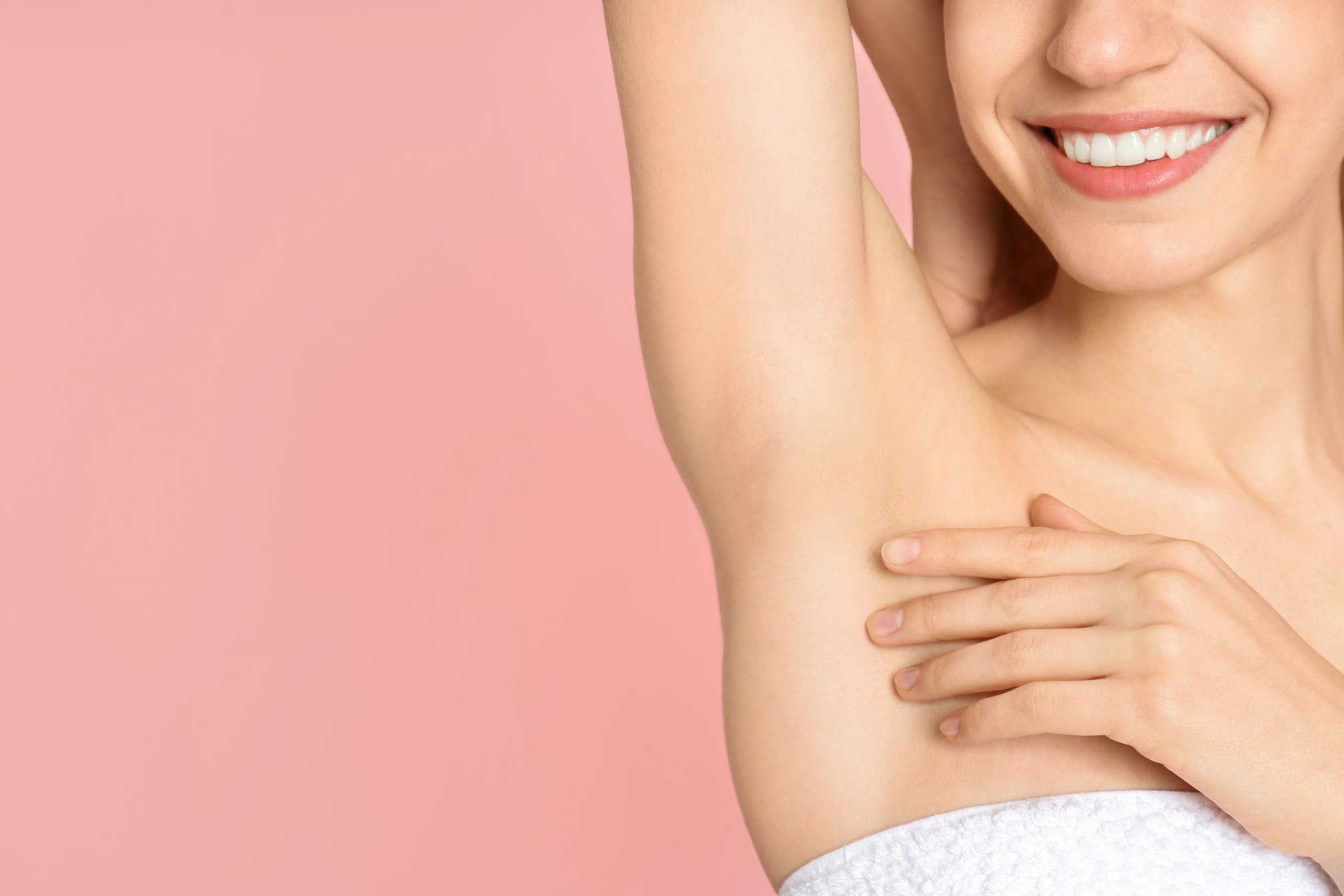
The fullness under your arm is usually fat, glandular breast tissue, or a mix of both, though muscle under armpit skin can shape the area too. Fat usually feels soft and painless, while axillary breast tissue tends to feel firmer and can swell with hormone changes. Knowing which one you have comes before deciding how to remove fat from armpit areas, and an exam with your surgeon is the best way to find out.

Fat, Muscle, or Glandular Tissue? What's Actually Under Your Arm
Three things can sit under your arm: a layer of fat, the muscles that frame the armpit, and sometimes breast tissue that reaches into the area. Fat in the armpits is entirely normal, and it shows up on people of all weights, ages, and sizes.
Clothing can play a part too. Tight tops or bras can push skin up from around the chest and create the look of armpit fat.
Knowing which tissue you're dealing with matters, because fat shifts with body weight while breast tissue responds more to hormones. For a closer look at the fat side of things, see our guide on what axillary fat is and how it can be removed.
The Anatomy of the Armpit (Axilla)
The armpit, or axilla, is the hollow where your arm joins your body. Lymph nodes live here too, and they're generally smaller and firmer than fat. Breast tissue can also show up here because, before birth, milk lines run from the armpit area down to the groin.
Pectoral and Chest Muscles
Your pectoral muscles sit between your breast tissue and your chest wall. Moves like push-ups and chest presses work the chest muscles around the armpit area.
Latissimus Dorsi and Teres Major
The latissimus dorsi, your large back muscle, attaches at the base of the arm and stretches into the armpit area. From there, it runs past the shoulder blade and attaches close to the spine.
The teres major is another muscle name you'll often hear in the same conversation. Back exercises like pull-downs work this region and can help tone the armpit area.
Serratus Anterior
The serratus anterior is one more muscle name that comes up when people talk about the side of the chest near the armpit. Muscle tone is one of the factors linked to how the armpit area looks. If you feel a firm ridge along your side and aren't sure whether it's muscle, fat, or something else, bring that question to your exam.
What Is Armpit Fat?
Armpit fat, also called axillary fat, is extra fatty tissue that builds up around the armpits. It commonly forms a small pouch under the arm.
Genetics play a big role, because your genes help map where your body stores fat. Extra body weight, poor posture, and tight clothing worn for long periods can add to it.
Armpit fat is much more common in women than in men. It's also typical to have more fat under one arm than the other.
To the touch, armpit fat generally feels soft, even, and painless, and it squishes when you press it.
What Is Axillary Breast Tissue?
Axillary breast tissue is regular breast tissue that extends into the armpit in some people. Doctors may also call it accessory breast tissue or polymastia.
It traces back to development before birth, when milk lines run from the armpit area to the groin. Most of that tissue fades away except in the chest, and when it doesn't fully fade, extra breast tissue can stay behind, most often in the armpit.
Both men and women can have accessory breast tissue. It can contain glands, ducts, and fat, and it usually shows up on both sides, though one side may look fuller.
This tissue feels fibrous and is considered normal. Like ordinary breast tissue, it can very rarely develop the same conditions found elsewhere in the breast.
Armpit Fat vs. Axillary Breast Tissue vs. Muscle: How to Tell Them Apart
The best clues are how the area feels, whether it changes with your cycle, and whether it shifts with weight or workouts. Here's how fat and breast tissue tend to behave:
- Fat: Feels soft, even, and painless. It responds to your overall weight and health and doesn't change with hormones.
- Axillary breast tissue: Feels firmer, lumpier, or more fibrous. It often swells or feels tender before a period, during pregnancy, or with other hormone shifts.

Weight loss can blur the lines. When you lose weight, axillary breast tissue can shrink too, which makes the two easy to confuse.
Your bra is worth checking first. A bra that doesn't fit well can squeeze breast tissue so it spills out the sides toward the armpit.
Other lumps can show up here as well. A lipoma, a fatty lump under the skin, is usually movable with clear, smooth edges. Self-checks only go so far, so your surgeon can examine the area, and ultrasound is usually the first imaging test used to tell glandular tissue apart from lipomas, fluid, or enlarged lymph nodes.
Could It Be Muscle Under Armpit Skin?
Muscle is the one that responds to workouts. Strength training for the chest, back, and shoulders builds muscle and helps tone the armpit area. If a firm area has grown along with your training and you're still not sure what it is, your surgeon can check it during an exam.
Can Hormonal Changes Affect Armpit Fullness?
Yes, hormones can change axillary breast tissue, which responds much more directly to hormone levels than armpit fat does.
This tissue can change during puberty, pregnancy, menstrual cycles, or shifts in body weight. Some people notice cyclic pain or tenderness, meaning it comes and goes with their cycle.
During pregnancy, the hormone prolactin enlarges the breasts to prepare for milk production. Menopause is another life stage when breast tissue can grow or shrink more quickly.
Men can have this too. In men, an armpit lump may be accessory breast tissue or a side extension of gynecomastia, which is extra glandular breast tissue in the male chest. Male glandular tissue can grow with puberty, anabolic steroid use, or certain medications.
If your fullness seems to come and go with your cycle or a life change, tell your surgeon. That pattern is a helpful clue.
When Is Armpit Fullness a Medical Concern?
Armpit fullness becomes a medical concern when it grows quickly, feels stuck in place, pulls the skin inward, or shows something suspicious on imaging. Cancer in accessory breast tissue is rare, though it has been reported.
Enlarged lymph nodes can also cause a lump here, and they may become painful or tender. Vaccines of all types can cause temporary lymph node swelling. If that swelling sticks around after a follow-up check, doctors may consider testing a sample of the node.
Any new lump in the breast area should be checked to rule out cancer.
Signs to See a Doctor
Have a doctor check the area before you think about cosmetic treatment if you notice any of these:
- Skin pulling inward over the area
- Tissue that feels fixed in place
- Fullness that grows quickly
- A tender or painful lump, which can be an enlarged lymph node
- Lymph node swelling that doesn't go away after follow-up
Signs like these call for a biopsy, which is a small tissue sample, and a visit with a cancer specialist. Getting checked brings clarity, and it's the right first step.
Can You Reduce Armpit Fat or Tone the Muscle With Exercise?
You can shrink armpit fat by losing fat all over, and you can tone the muscles around it, but you can't spot-target fat with exercise.
How to Remove Fat From Armpit Areas at Home
Here's what a typical at-home plan looks like:
- Calorie deficit: Eating 300 to 500 fewer calories than you burn each day can help you lose up to a pound of fat per week.
- Cardio: Aim for at least 120 minutes of moderate exercise or 70 minutes of vigorous exercise each week.
- Strength training: Push-ups, tricep dips, chest presses, and lateral raises work the muscles around your armpit.
Even with steady effort, your body tends to hold onto fat in the areas your genes favor. Axillary breast tissue may get smaller with weight loss, but it won't fully disappear.
If the fullness stays put, our guide to removing axillary fat walks through the next options.
Treatment Options for Armpit Fat and Excess Tissue
The right treatment depends on what the fullness is made of, so a doctor should first confirm whether you need fat removed or a different type of treatment.
- Watchful waiting: If the tissue is small, causes no symptoms, and looks benign on imaging, keeping an eye on it is appropriate.
- Excision for glandular tissue: Surgeons treat excess breast tissue with surgical excision, which means removing it through an incision. Excision also provides tissue for lab testing and usually needs only a limited incision.
- Fat removal: Liposuction-based procedures treat underarm fat. Using liposuction alone on a bulge that contains glandular tissue can leave a hard lump behind or let it come back.
- Combined approach: When fat and glandular tissue are mixed, surgeons may combine gland excision with liposuction.
- Loose skin: An arm lift, also called brachioplasty, uses a scalpel to remove loose skin and is done under general anesthesia. After an arm lift, you'll pause upper body lifting exercises for about four to six weeks.
Fat removal on its own doesn't treat excess skin, so skin quality is part of the plan.
At AirSculpt®, we focus on fat removal and don't perform excision.
How Armpit and Underarm AirSculpt® Works
Armpit and Underarm AirSculpt targets stubborn underarm fat without general anesthesia. Here's what the process looks like, step by step:
- Your surgeon numbs the area with the AirPen, which uses air pressure to deliver a numbing solution.
- A biopsy punch creates a small, even opening no wider than a freckle.
- After a local anesthetic, the patented AirSculpt device removes fat and helps tighten skin at the same time.
- The entry point is left to heal on its own, leaving a mark about the size of a freckle.
The device we use is a thin, rapidly vibrating tool that removes fat delicately. The procedure can take as little as 45 minutes, and you stay awake the whole time.
That precision can help even out your look if one armpit has more fat than the other. The fat cells we remove don't regenerate, though weight gain can still add fat in untreated areas.
If you need extra skin tightening, AirSculpt+ tightens the treated area without making any new entry points. It uses Renuvion®, which combines radiofrequency energy with helium plasma to tighten skin from beneath the surface.
Downtime is typically one to two days. Patients usually wear a compression garment for about 2 weeks. Light activity is usually possible within days, while more intense workouts may wait a few weeks depending on your case.
Bruising, swelling, and soreness can follow AirSculpt. Infection or scarring can happen in rare cases.
How much fat can come out depends on your anatomy, because removing too much where skin support is weak can lead to rippling or sagging. Your surgeon will confirm the amount that's right for your body, up to the legal maximum, and walk you through your recovery plan.
Armpit Fat FAQs
Is the fullness under my arm fat, muscle, or glandular tissue?
It can be any of the three, and many people have a mix of fat and glandular tissue. Fat generally feels soft, even, and painless, while glandular breast tissue tends to feel firmer or lumpy. Muscle builds up with strength training that focuses on the chest, back, and shoulders. A bra that doesn't fit well can also push tissue out the sides toward the armpit. An exam with your surgeon is the best way to know for sure.
What is axillary breast tissue, and how is it different from fat?
Axillary breast tissue is regular breast tissue that extends into the armpit in some people. It feels more fibrous than fat, which feels softer. It responds to hormone levels, while armpit fat responds to your overall weight and health. Because it contains glandular tissue, fat removal alone can leave a hard lump behind. Your surgeon will want to confirm what you have before planning any treatment.
Can hormonal changes affect armpit fullness?
Yes, hormonal changes can make axillary breast tissue grow or shrink. Puberty, pregnancy, menstrual cycles, and shifts in body weight can all affect it. Some people feel swelling or tenderness that comes and goes, especially before their period. Armpit fat doesn't change with hormones. If your fullness seems to follow your cycle, mention that pattern at your consultation.
When is armpit fullness a medical concern rather than a cosmetic one?
It's a medical concern when you notice skin pulling inward, tissue that feels fixed in place, fast growth, or a suspicious imaging result. Those signs call for a biopsy and a visit with a cancer specialist. A tender or painful lump can be an enlarged lymph node. Any new lump in the breast area should be checked. Have a doctor look at it before you think about cosmetic options.
Ready to Talk to a Specialist?
Whether you're wondering how to remove fat from armpit areas or whether that firm spot is muscle under armpit skin, a consultation is where you find out what's really there. During that visit, a doctor determines whether you need fat removed or a different type of treatment.
If your goal is to reduce stubborn armpit fat, Armpit and Underarm AirSculpt is one minimally invasive option to talk through. Either way, you'll leave knowing what you're working with.
How Do You Remove Fat From Armpit Areas or Tone Muscle Under Armpit Skin?
Fat and muscle each need their own plan, so the answer starts with knowing which one you have. Muscle responds to strength training that focuses on the chest, back, and shoulders. Fat shrinks only as you lose fat across your whole body, because spot reduction isn't possible.
When stubborn fat stays put after diet and exercise, a fat reduction procedure can target that one spot. Glandular tissue is different, and excision is the main way to remove it. Your surgeon can confirm which tissue you have before you choose a path.