

Lifestyle/Nutrition
Macromastia: What Causes Large Breasts? | AirSculpt


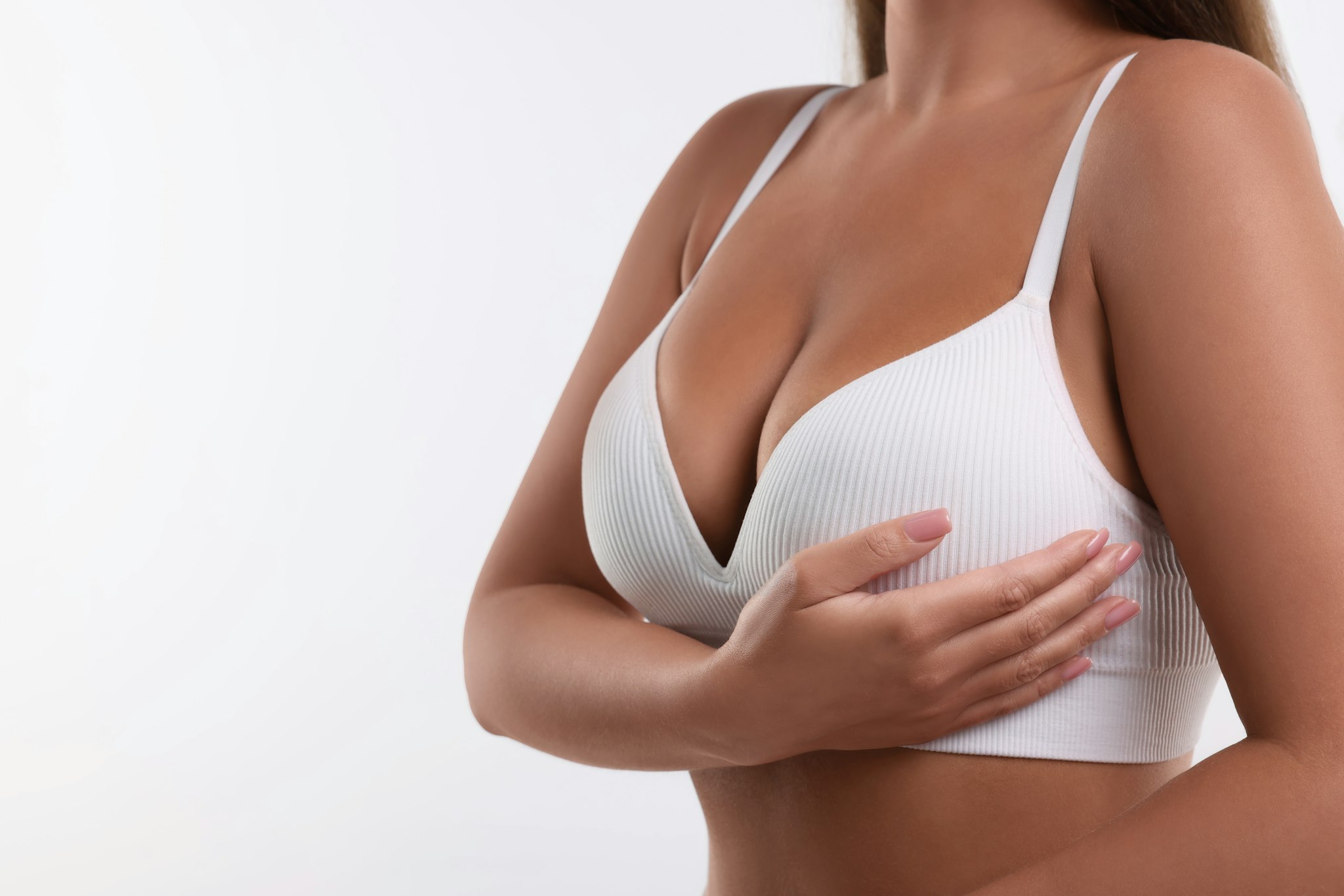
Macromastia is the medical term for large breasts, and when it causes symptoms, the most common ones are neck, shoulder, and back pain. Genetics play a big role, but hormones, weight gain, certain medications, and recreational drug use can also affect breast size. The right treatment depends on the cause, so a visit with your doctor or surgeon is the best first step.
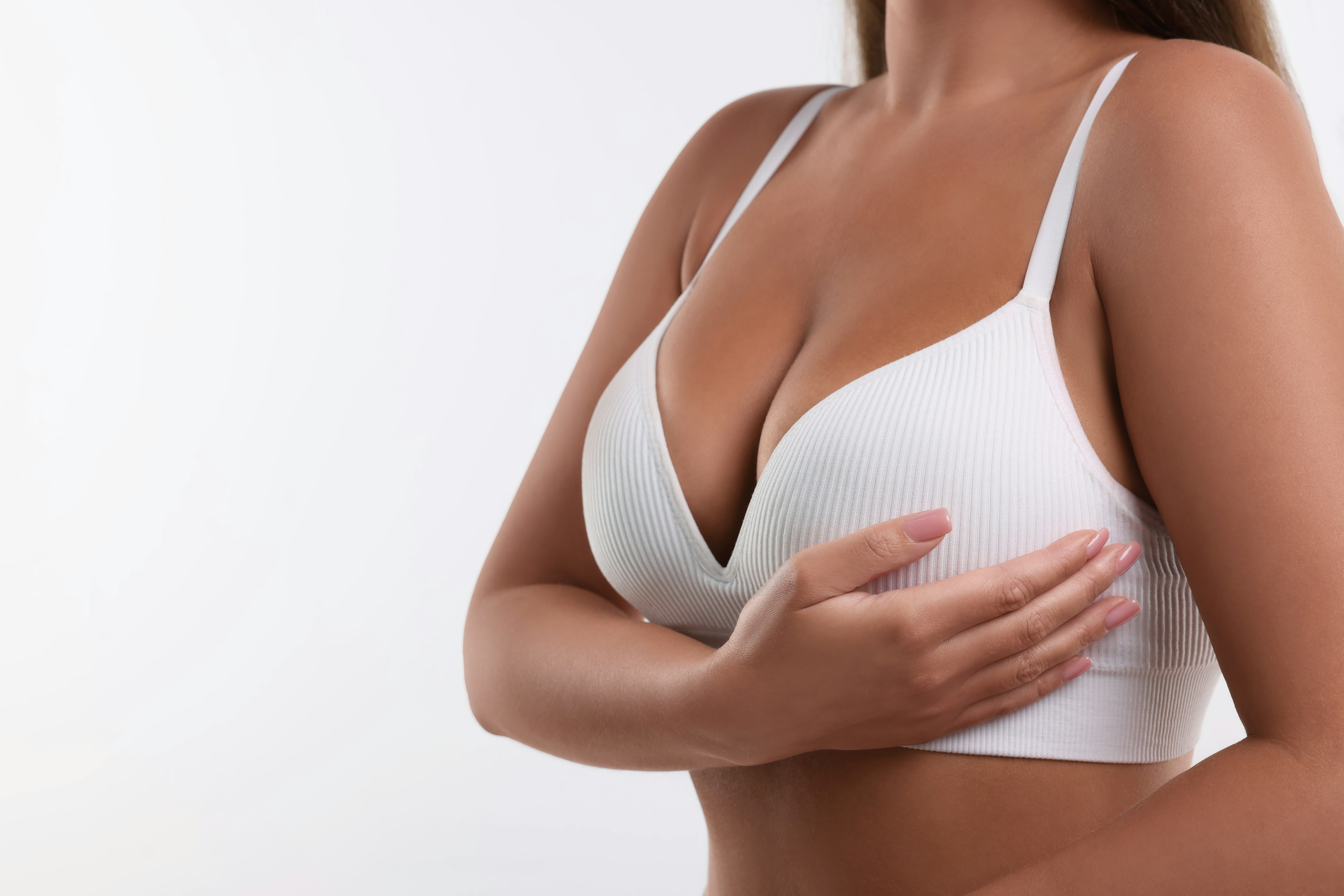
What Is Macromastia?
If your breasts feel too heavy for your frame, you're not alone. Chronic back, shoulder, and neck pain from large breasts is a problem many women face. Doctors often use the term symptomatic macromastia when breast size causes these physical problems.
Large breasts often run in families, passed down from mothers and grandmothers. Still, genes are only part of the picture, which is why it helps to understand the other causes below.
So why does breast size cause upper back pain? The weight of overly large breasts strains the musculoskeletal system, the bones, muscles, and joints that support your body.
Larger breasts also tend to sit lower on the chest, and bra straps can press into the shoulders and neck. Some women notice rashes, arm numbness or tingling, and even headaches.
The emotional side counts too. The self-consciousness that often comes with large breasts can matter as much as the physical pain.
Macromastia vs. Gigantomastia: What's the Difference?
Both terms describe unusually large breasts, and gigantomastia is used for the more extreme end, such as breasts so large that even a 42P bra doesn't fit. Juvenile gigantomastia is a form seen in teens, where breasts can grow very fast, sometimes about a cup size every two months.
In some cases of juvenile gigantomastia, surgeons may operate before breasts finish growing, though a second surgery could be needed later. Exactly where one condition ends and the other begins is something your doctor can clarify after an exam.
| Macromastia | Gigantomastia | |
|---|---|---|
| What it describes | Large breasts that can cause neck, shoulder, and back pain | More extreme enlargement, such as breasts too large for any bra to fit |
| In teens | Surgeons generally recommend waiting until breasts are fully developed | Surgery before growth ends may be considered, with the chance of a second surgery |
| Common treatment | Breast reduction surgery | A specialized form of breast reduction |
What Causes Macromastia Beyond Genetics?
Genetics set the foundation for breast size, but hormones, weight, medications, and recreational drugs can all play a part. Women who seek breast reduction often have had children, carry extra weight, or are sensitive to estrogen.
The sections below walk through each of the causes of large breasts beyond genetics, so you can bring specific questions to your doctor.
Hormonal Changes
During puberty, a surge of estrogen, a key female hormone, prompts the milk glands and breasts to grow. Hormonal imbalances can affect breast size too. Later in life, hormone shifts during pregnancy and menopause can also change how breasts develop.
Weight Gain
Weight gain is one of the most noticeable reasons breasts get bigger. When your body stores extra fatty tissue, breasts can grow with it, especially after big swings in weight.
The reverse often holds true, since breasts tend to get smaller as you lose weight. How much they shrink varies from person to person.
Medications
Some prescribed medications can contribute to breast enlargement. Estrogen from hormone therapy, birth control pills, and some antidepressants may cause mild to moderate breast growth.
Pills sold for breast enlargement often contain herbs with estrogen-like effects and haven't been tested for safety, so talk with your doctor before trying them. In men, anabolic steroids, anti-androgens, and some medicines for depression, anxiety, or heart disease can trigger gynecomastia, the growth of glandular breast tissue.
If you've noticed changes after starting a new medication, bring it up with the doctor who prescribed it.
Recreational Drug Use
Recreational drug use can also lead to larger breasts, because certain substances disrupt the body's hormonal balance. In men, alcohol, marijuana, and heroin are among the substances linked to hormone imbalances that cause breast tissue growth.
Can Hormones, Weight Change, or Medication Cause Breasts to Get Larger Suddenly?
Yes, hormones, weight gain, and some medications can all make breasts larger. The change can be especially fast in the teen years, with some girls going up about a cup size every two months.
Weight gain in adulthood can raise breast size as well, and losing that weight through diet and exercise may bring breasts back toward their earlier size. Fast growth can stretch the skin, leaving stretch marks, stretched areolas (the darker skin around the nipple), and some sagging.
If your breasts are growing quickly and you're not sure why, that's a good reason to check in with your doctor.
When to See a Doctor About Rapid or Unexplained Breast Growth
It's a good idea to see a doctor any time your breasts change quickly or without a clear reason. Fibroadenomas, common noncancerous breast lumps in younger women, usually feel firm, movable, and painless, and they can grow fast. A physical exam, often with a mammogram or ultrasound, helps doctors tell them apart from more concerning changes.
A rare type called giant juvenile fibroadenoma can grow larger than 5 centimeters and make one breast noticeably bigger than the other. Nipple changes matter too, since in rare cases an inverted nipple, one that pulls inward, can be caused by an underlying breast cancer.
When to see your doctor
- Fast growth in one or both breasts with no clear cause
- A new firm lump you can feel
- A nipple that starts turning inward
- Neck, back, or shoulder pain that doesn't improve with other treatments
- Grooves from bra straps, arm numbness or tingling, or ongoing skin irritation under the breasts
Your primary care doctor is a great first stop, and they may suggest physical therapy or medication before referring you to a board-certified plastic surgeon. Sharing symptoms early also helps if you seek insurance coverage later, since insurers often want months of documented treatment.
Treatment Options for Macromastia
The best treatment depends on what's making your breasts large: breast tissue, extra fat, loose skin, or a mix. Before any treatment, a doctor can typically help determine whether you need fat removed or a different type of treatment.
If one breast is much larger than the other, a surgeon may reduce the larger breast, enlarge the smaller one with an implant or fat grafting, lift one or both, or combine these steps. Uneven breasts are very common and often unnoticeable.
If you'd like to lean more about macromastia, gigantomastia, and how they're treated, keep this guide handy as you compare options.
Breast Reduction Surgery (Mammoplasty)
Breast reduction, also called reduction mammoplasty, removes excess fat, tissue, and skin to make breasts smaller and more in proportion with the body. It's the procedure doctors use to treat symptomatic macromastia. Many women report less back pain, less bra strap pain, and easier breathing and exercise afterward.
The surgery is usually outpatient and takes about two to three hours on average. Initial recovery typically takes one to two weeks, and you'll need to avoid exercise and strenuous activity for at least three to four weeks.
Like any surgery, it carries risks, including scars, reduced nipple sensation, and changes in the ability to breastfeed. Breast asymmetry is common for women, and this may persist or be noticeable after the procedure.
Good candidates are in good general health and have finished breast development. Surgeons may advise against it for people who smoke, are breastfeeding, have diabetes, have clotting or wound healing disorders, or are severely obese. If you're in the middle of losing weight, finishing first tends to give a more stable result.
Because it treats physical symptoms, breast reduction is often covered by insurance, though plans usually require documented symptoms and a minimum amount of tissue removed. It can help to ask your insurance carrier for its coverage criteria in writing, and your plastic surgeon's office may be able to guide you through the process.
Breast Lift
A breast lift, also called mastopexy, tightens and lifts existing breast tissue and removes excess skin, without adding fullness. Lifts are designed to address sagging, which tends to develop as age, gravity, weight changes, and breastfeeding stretch the skin and tissue. Over time, the nipples can also drop lower and point downward.
When excess fat and loose skin are the main concerns, a breast lift can help by reducing and lifting the breasts. If only a smaller amount of tissue is removed, the procedure may be considered a lift instead of a reduction.
A traditional lift is done under general anesthesia and leaves scars around the nipple or on the breast. It also can't prevent new sagging if your weight or skin elasticity changes later. If you're weighing a lift, a reduction, or both, a board-certified plastic surgeon can help answer your questions about each option.
Fat-Reduction Options for Milder Cases
If your goal is removing excess fat, breast liposuction is usually the best fit for both women and men. Large breasts caused mainly by genetics usually call for breast reduction surgery instead, which focuses on removing breast tissue.
At AirSculpt®, we don't perform female breast reduction surgery. For patients seeking a slight lift, our Up a Cup™ procedure pairs targeted fat removal with fat transfer to the breasts. We mainly designed it for patients who want to enhance breast size without implants.
Men who want a smaller chest can look into our male breast reduction treatment. For anyone, candidacy is confirmed during a free consultation with one of our surgeons.
Macromastia FAQs
What is macromastia?
Macromastia is the medical term for large breasts, and when it causes symptoms, the most common are neck, shoulder, and back pain from the extra weight. Some women also get breast pain or rashes under the breasts. Genetics play a big role, but hormones, weight gain, medications, and recreational drug use can contribute too. A board-certified plastic surgeon can examine you and go over your options in detail.
What is the difference between macromastia and gigantomastia?
Both terms describe unusually large breasts, and gigantomastia refers to the more extreme end, such as breasts so large that even very large bras don't fit. Juvenile gigantomastia describes very fast breast growth in teens. Macromastia is the term doctors commonly use for large breasts that cause neck, shoulder, or back pain. A doctor can examine you and help clarify which term may fit your situation.
What are the treatment options for macromastia?
The main treatment for symptomatic macromastia is breast reduction surgery, which removes excess fat, tissue, and skin. When extra fat is the main issue, breast liposuction may be a better fit, and a breast lift can help when loose skin is part of the picture. Losing excess weight can also shrink breast volume, though results vary from person to person. Overall health, lifestyle, and specific goals all factor into the decision, so talking with a certified medical professional is a good first step.
Ready to Talk to a Specialist?
Living with large breasts can wear on you, both physically and emotionally, and you deserve clear answers. A board-certified surgeon can examine you and go over your options in detail.
If removing extra fat or subtle contouring is part of your goal, our surgeons can walk you through your options, and candidacy is confirmed during a free consultation. Feel free to share this guide to what causes large breasts beyond genetics with your doctor as you start the conversation.
Book a Free Consultation