

 BLACK FRIDAY & CYBER MONDAY EVENT
 |Save up to 30% OFF*
Lifestyle/Nutrition
5 Easy Ways to Lose Knee Fat
- Written and medically reviewed by Dr. W. John Bullis
- Published
- Reviewed
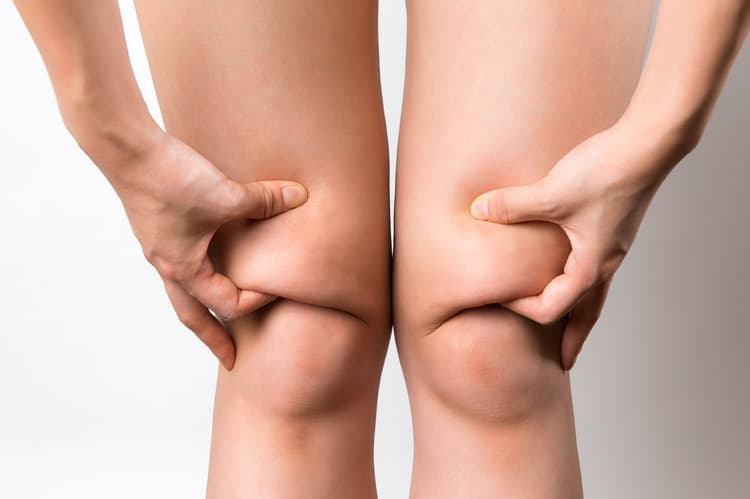
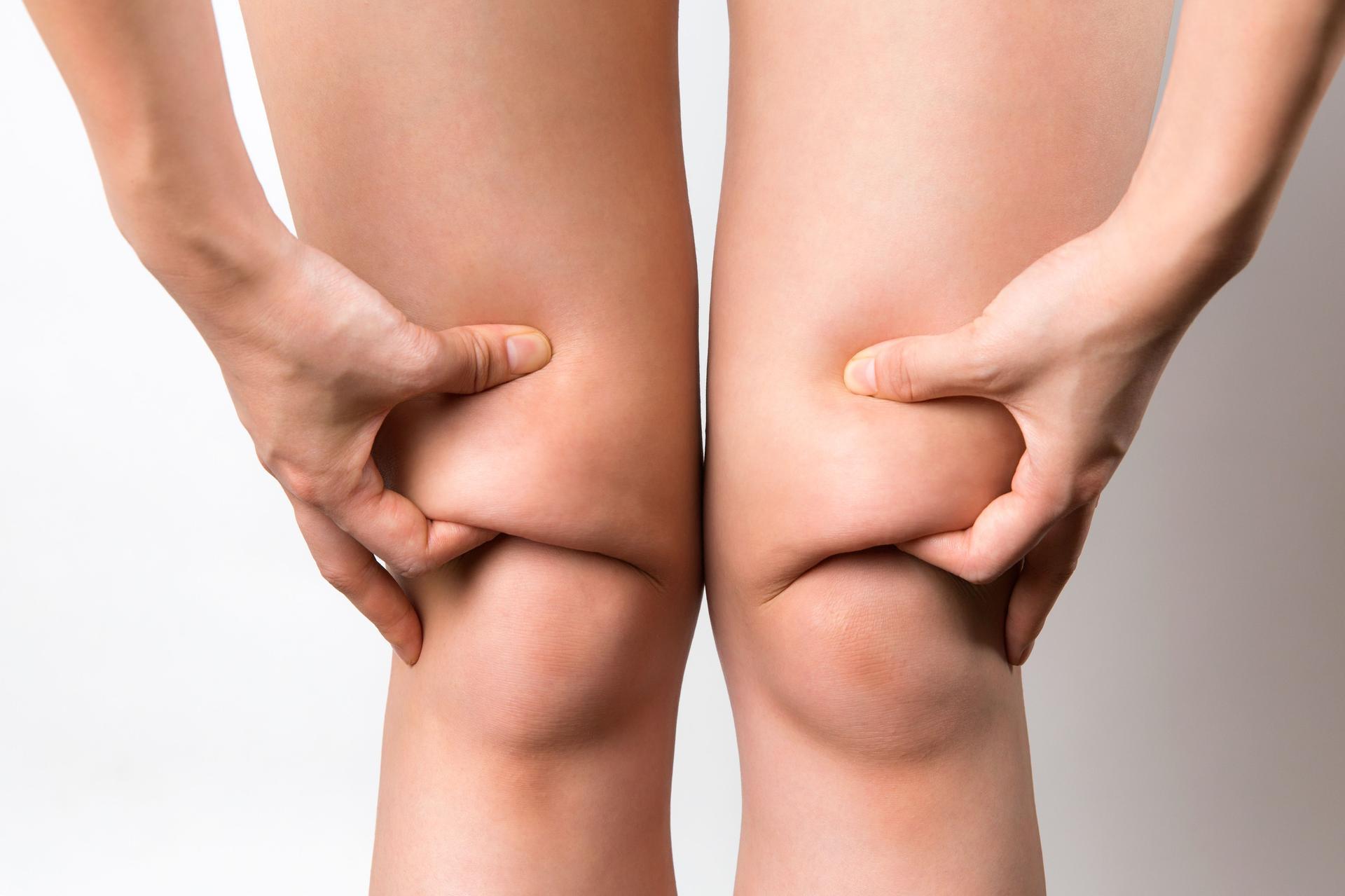
You lose knee fat the same way you lose fat anywhere else: by burning more calories than you eat, because exercise can't pull fat from one spot. Cycling, lunges, squats, running, and jumping rope strengthen the muscles around your knees while your overall body fat comes down. If a pocket above the knee still won't budge once you're at a stable weight, a procedure like AirSculpt® may be worth talking through with a surgeon.
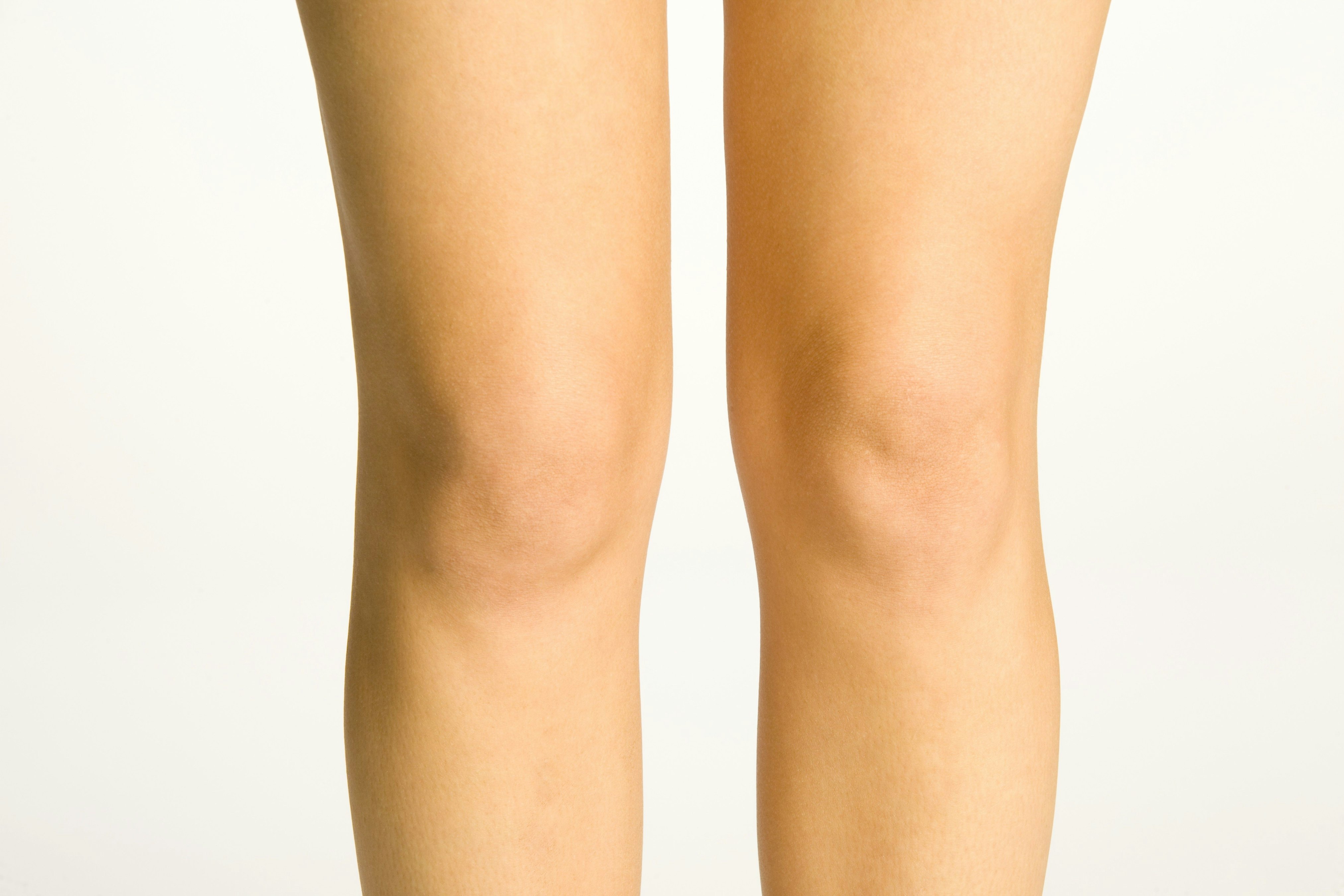
What Causes Fat Above the Knees?
Fat above the knees usually comes from a mix of genetics, weight gain, and skin laxity, which means loose skin. It tends to gather around a fold near the kneecap, called the patella, and it can hang on even after diet and exercise.
For a deeper look, see our guide on what causes knee fat and how to lose it.
Genetics and Fat Distribution
Your genes and hormones decide where your body loses fat first and where it loses fat last. For many people, fatty knees run in the family. Even lean people who eat well and exercise can have trouble areas, because genetics decide where those areas sit.
The same pattern shows up in other spots, too, like stubborn banana rolls under the bum.
Hormones and Age
Hormones shape how your body burns and stores energy. Life stages like pregnancy and menopause can shift where fat settles, sometimes adding fullness to the thighs. Genetics, age, diet, and moving less are all risk factors for fat building up.
Overall Weight Gain
When you eat more calories than your body needs, it stores the extra as fat throughout your body. A surplus of about 3,500 calories equals roughly 1 pound of fat. That's why weight gain can show up as extra fat around the knees.
Skin Laxity vs. Fat
Sometimes saggy-looking knees come from loose skin as well as fat. Aging can bring wrinkles and sagging skin around the knees that some people find very noticeable. Strength training can improve muscle tone around the knees, but it won't remove fat or noticeably tighten loose skin.
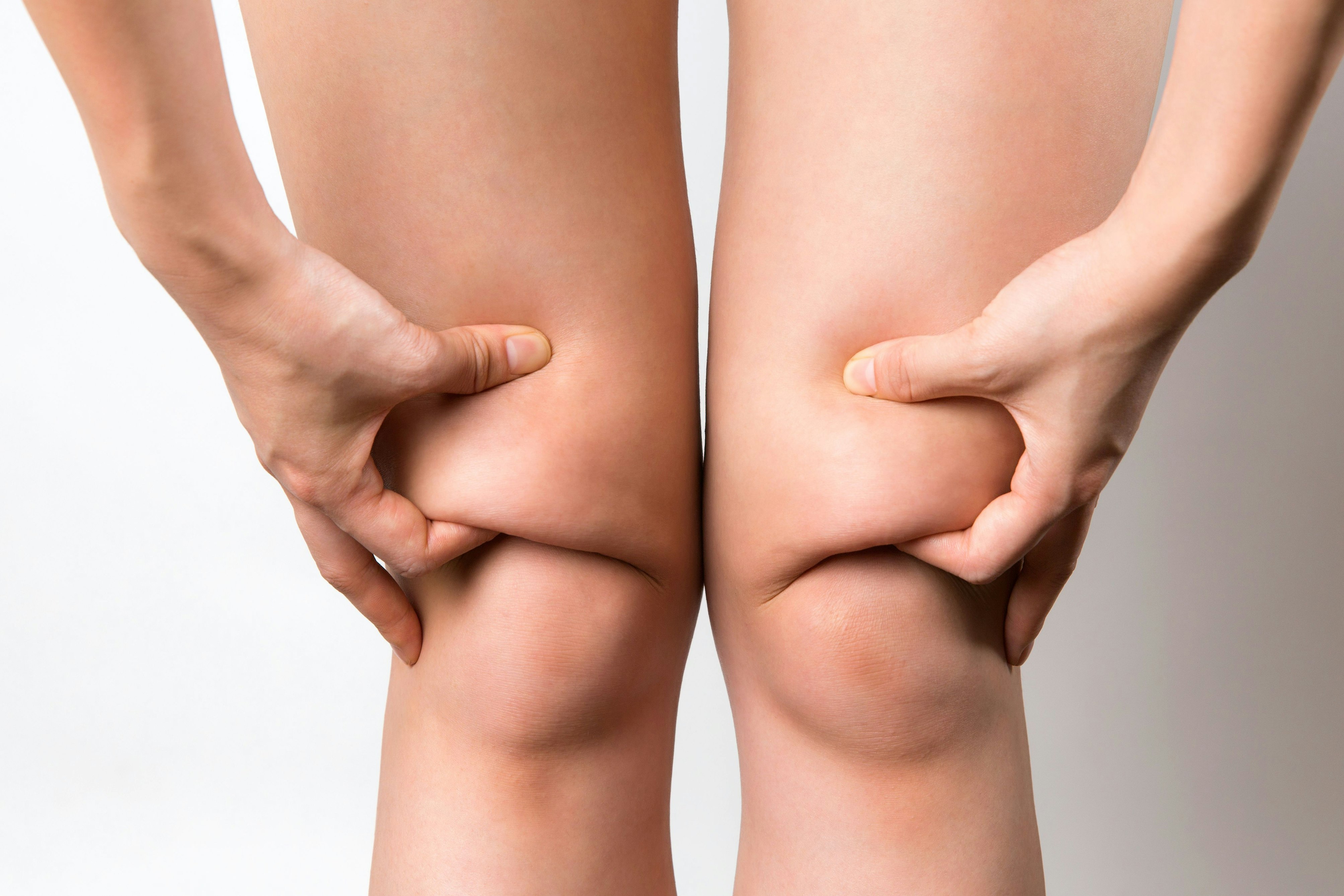
A surgeon can help you tell skin from fat during a consultation.
Can You Lose Knee Fat With Exercise?
Yes, as part of losing fat from your whole body. Exercise burns calories and builds the muscles around your knees, while a calorie deficit brings body fat down everywhere.
Why Spot Reduction Doesn't Work
You can't spot-reduce fat from one area of your body with exercise. When you work out, your body draws energy from all over, so fat burns all over, too. Training one muscle group makes you stronger there, but it won't make you lose fat there.
The same rule holds for the belly, which we cover in our look at removing a beer belly with liposuction.
What Knee Exercises Actually Do
Knee exercises strengthen and tone the muscles around the joint while you lose overall body fat. That strength can improve definition, but it doesn't remove fat on its own. Think of it as building a firm frame that shows more and more as the layer on top gets thinner.
5 Knee Fat Exercises
These 5 moves work the muscles around your knees and help you burn calories along the way. Start slowly, focus on form, and check with a doctor first if you have a knee injury.
Cycling
Cycling is low-impact cardio that supports fat loss and works the muscles around your knees. Start at a steady speed you can hold, then raise the pedal resistance as you get stronger. Standing on the pedals adds more load to the knees. A stationary bike is a great option if weather or city streets get in the way.
Lunges
Lunges strengthen the knee area, as long as your form is correct. Here's a basic forward lunge:
- Stand tall with your feet hip-width apart.
- Step forward with your left leg, landing heel first.
- Lower your body until your left thigh is parallel to the floor and your left shin is straight up and down.
- Press through your left heel to return to standing.
- Repeat on the right side.
Once that feels comfortable, try backward, walking, or side lunges to mix it up.
Squats
Squats work several muscle groups at once, including your legs and buttocks. Set your feet about shoulder-width apart, keep your spine straight, and keep your knees from passing your toes. Push your hips back, keep your heels on the ground, and then slowly stand up. Squatting in front of a mirror or recording yourself helps you check your form.
Start with air squats, which use just your body weight. When you're ready, add weight with a goblet squat, holding a kettlebell.
Running and Sprinting
Running is a good fit if you're already in decent shape. Jogging and running count as vigorous aerobic activity, and running burns more calories than walking. Hold a steady pace, and slow down instead of burning out.
Sprinting burns more calories per minute than slower jogging, but the risk of injury is higher. Warm up, ease into each effort, and use hills if you're getting back into sprints.
Jumping Rope
Jumping rope is a simple way to work the knees. Find a soft surface, like grass, to lower your risk of injury. Keep your jumps small and steady, with a slight bend in your knees. Even 10 minutes a day counts.
Don't Skip Stretching and Warm-Ups
Stretching and warming up help you avoid injuries, and forgetting to stretch is the most common beginner mistake. A basic 10-minute stretch with a proper warm-up makes a real difference. Do both static stretches, where you hold a position, and dynamic stretches, where you keep moving. Right before a workout, favor the dynamic kind.
Protecting Your Knees While Exercising
If you have a knee injury, see a doctor before you start any new exercise plan. High-impact movements may make an injury worse. Low-impact cardio like cycling can be an easier place to begin.
A few habits help protect your joints:
- Warm up first. Stretching before you train lowers your injury risk.
- Watch your squat form. Keep your knees from passing your toes.
- Choose soft ground. Jump rope on grass or another soft surface.
- Build up slowly. Ease into sprints and add weight only when you're ready.
If something hurts during a move, stop and check in with your doctor or a physical therapist.
How to Build These Into a Weekly Routine
A good weekly routine mixes regular cardio with strength work. The CDC's 150-minute weekly activity recommendation can be split into 30 minutes a day, 5 days a week. Adults should also do muscle-strengthening exercises on 2 or more days a week. Brisk walking counts as moderate-intensity exercise, so it fits right in.
Here's one way a week could look:
- Monday: 30 minutes of cycling
- Tuesday: Lunges and squats, plus 10 minutes of jumping rope
- Wednesday: 30-minute brisk walk
- Thursday: Lunges and squats
- Friday: 30-minute jog, or short sprint intervals if you're ready
- Saturday: Cycling or a long walk
- Sunday: Rest and gentle stretching
Adjust the plan to your fitness level, and add time or weight gradually.
Nutrition and Lifestyle Habits That Support Fat Loss
Nutrition matters most, because losing fat depends on eating fewer calories than your body burns each day. Losing 1 to 2 pounds a week is a healthy, sustainable pace, which takes a deficit of about 500 to 1,000 calories a day.
These habits help:
- Eat whole foods like fruits, vegetables, lean proteins, and whole grains.
- Skip sugary drinks and processed snacks.
- Drink plenty of water throughout the day.
- Eat smaller portions at meals.
- Track your calories with an app.
Daily movement adds up, too. Aim for 8,000 to 10,000 steps a day, take the stairs, park farther away, and stand up to move for 5 minutes every hour.
Sleep and stress count as well. Stress can drive weight gain by raising hunger hormones and disrupting sleep, and poor sleep can affect your hormones and metabolism.
How Long Does It Take to Lose Knee Fat?
It varies from person to person, and knee fat often takes longer than other areas. Your genetics and hormones decide where fat comes off last, and for many people that's the knees, so patience is key. Stubborn areas like this may hang on until you're very lean.
You can't lose knee fat overnight, and quick changes usually come from less water retention or swelling. Your doctor can help you set a realistic goal for your body.
Is It Knee Fat or Something Else?
Fullness above the knee can come from fat, loose skin, or the shape of your muscles. Liposuction can reduce fat between the skin and muscle, but it can't change the muscle underneath.
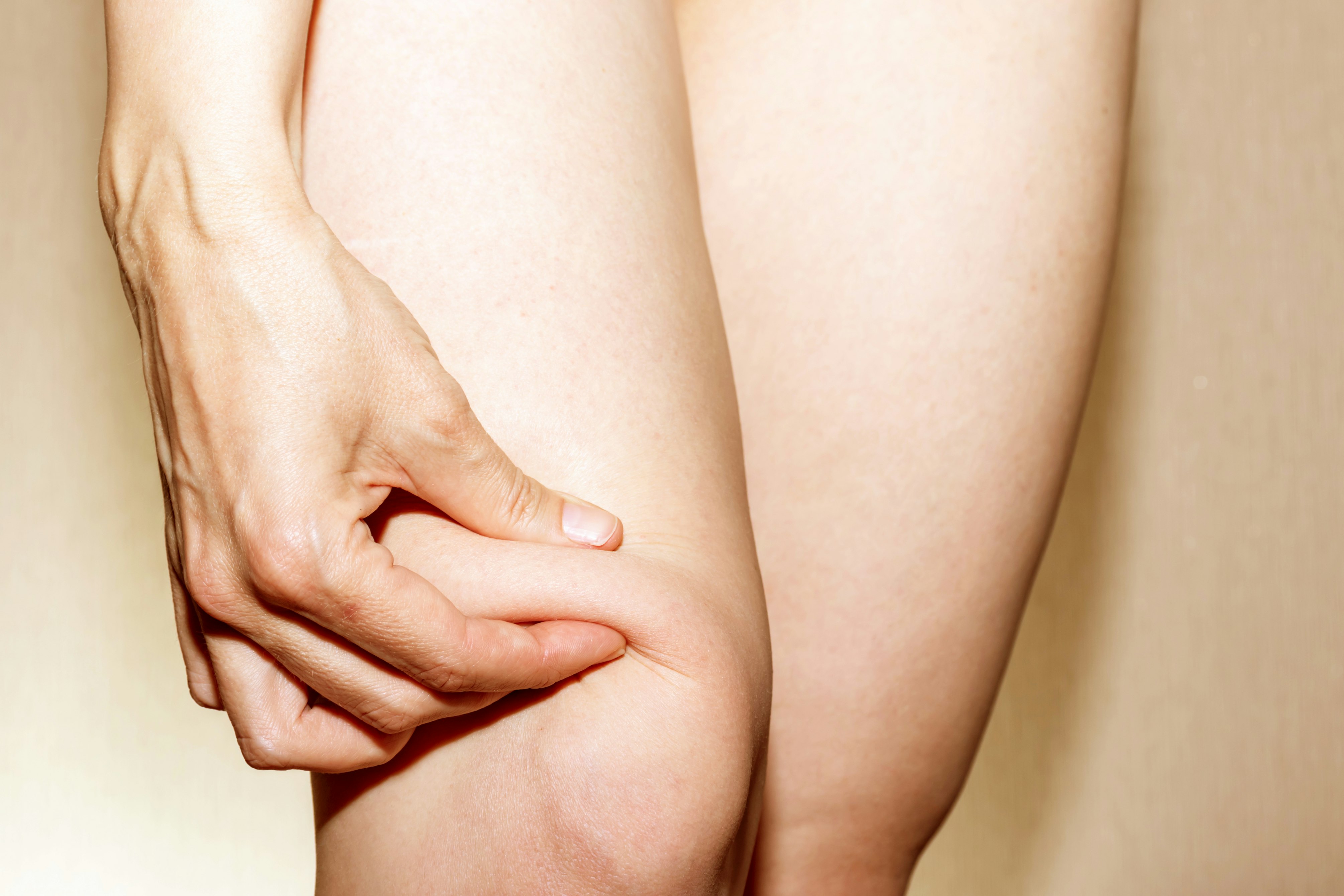
Lipedema is another possibility. It's a long-term condition where abnormal fat builds up in the lower body, sometimes between the pelvis and the knees. Lipedema fat often feels tender or painful, which sets it apart from regular body fat. Diet and exercise may slim the upper body without shrinking lipedema fat in the legs. It occurs almost exclusively in women.
Symptoms can include leg heaviness, swelling, and skin that bruises easily. If that sounds familiar, see a doctor for a proper diagnosis. Painful, red, swollen legs with flu-like symptoms need emergency care.
When Exercise Isn't Enough
A procedure may be an option when you're at a stable weight and a stubborn pocket above the knee won't change. Body contouring procedures like AirSculpt are meant for stubborn areas that resist diet and exercise, and they aren't designed for weight loss. Good liposuction candidates are usually as close as possible to their ideal weight.
Your surgeon decides how much fat to remove at your consultation, based on your anatomy and your skin quality. That amount always stays within the legal maximum.
Knee Liposuction
Knee liposuction removes fat through incisions around the kneecap using a cannula, a thin tube that suctions out fat. Most patients say they're back to their regular routine after about two weeks. Possible side effects include bruising, numbness, pain, infection, loose skin, nerve damage, and deep vein thrombosis, a blood clot in a deep vein. Strenuous activity is off-limits after knee liposuction until your surgeon clears you.
Good candidates have stubborn knee fat, good skin elasticity, a stable weight, and a healthy lifestyle. It may not be a fit if you smoke, have arthritis in your knees, or have a severe chronic illness. Liposuction also doesn't tighten loose skin or treat cellulite.
Minimally Invasive Fat Removal
Minimally invasive fat removal sits between traditional surgery and nonsurgical treatments. AirSculpt removes fat through a two-millimeter entry point made with a biopsy punch, a small round tool used in place of a scalpel. You stay awake the whole time, with local anesthetic numbing the area.
Nonsurgical options, like cold-based cryolipolysis, may take several sessions and work best for small bulges. To see how a minimally invasive approach works on the midsection, read about abdominal sculpting.
How Knee AirSculpt® Works
Knee AirSculpt® removes stubborn knee fat cell by cell through freckle-sized entry points while you're awake. Here's what happens, step by step:
- Numbing. A tool called an AirPen uses air pressure to spread numbing solution across the skin.
- Entry points. The surgeon uses a biopsy punch to create small, symmetrical entry points in the crease toward the inside of each knee.
- Fat removal. Fat is softened and gently removed with the patented AirSculpt cannula, like picking apples off a tree.
- Skin support. The process helps stimulate collagen, the protein that keeps skin firm, which helps tighten the skin.
The knee is often treated along with the calf or inner thigh to keep the leg's natural symmetry. The fat cells we remove are gone permanently, and if you gain weight later, untreated areas are more likely to show it.
Patients can return to their normal routines in as little as 24 hours and are asked to walk as soon as one day after treatment. Strenuous activity is not recommended after AirSculpt until your surgeon says you're ready. A compression garment is worn under clothing for about 14 days.
Possible side effects include bruising, swelling, pain, infection, and scarring. The entry points can leave small red marks about 2 millimeters wide that fade with time. Full recovery is finished between three and six months. Your surgeon will give you a recovery plan for your own body, so follow their instructions first.
Knee Fat FAQs
What causes fat above the knees?
Fat above the knees usually comes from a mix of genetics, weight gain, and skin laxity. Your genes and hormones decide where your body loses fat first and where it loses fat last. Hormone shifts during pregnancy and menopause can also change where fat settles. A surgeon can help you tell whether you're looking at fat, loose skin, or both.
How do you get rid of knee fat?
You get rid of knee fat through overall fat loss, because you can't burn fat from one spot. That means a steady calorie deficit along with regular exercise. Lunges, squats, and cycling strengthen and tone the muscles around your knees as your body fat comes down. If a stubborn pocket stays put at a stable weight, a consultation can help you weigh your options.
What are the best knee fat exercises?
Cycling, lunges, squats, running, and jumping rope are 5 solid choices for the knee area. They strengthen the muscles around the joint and burn calories as part of an overall fat-loss plan. Correct form is key, so check yours in a mirror or on video. Pair these moves with healthy eating, since fat loss depends on a calorie deficit.
Why is knee fat so hard to lose?
Knee fat is hard to lose because your genetics and hormones set the order in which your body sheds fat, and the knees are often near the end. Trouble areas like this may hang on until you're very lean. Small, stubborn pockets of fat are completely normal. Some people still have knee fat even after losing a lot of weight. If that's you, a surgeon can talk through your options.
Can I exercise if I have knee pain?
If you have knee pain or an injury, check with a doctor before you start a new exercise plan. High-impact movements may make an injury worse. Low-impact cardio like cycling may be an easier place to start. A doctor or physical therapist can look at your knees and tell you which moves fit your situation.
Ready to Talk to a Specialist?
If you've built strong legs and steady habits and a pocket above your knee still won't shift, a conversation with a surgeon can bring clarity. Your surgeon can check whether you're seeing fat, loose skin, or muscle, and whether a procedure makes sense for you.
AirSculpt pricing depends on the areas treated and how much fat is removed, which is set at the consultation. Candidacy is confirmed during a free consultation. Whatever you decide, the strength you've built in your legs keeps working for you.