Lifestyle/Nutrition
What You Can Do To Lose Lower Back Fat Above the Buttocks


Fat above the buttocks can't be spot-reduced, so the natural route is losing fat all over your body through a calorie deficit, cardio, and strength training. Moves like glute bridges and bird dogs can tone the muscles in this area while the fat comes off. If genetics keep a stubborn pocket in place even with a disciplined routine, a fat removal procedure like Lower Back AirSculpt® is an option to talk through with a surgeon.
What Is the Fat Pad Above the Buttocks?
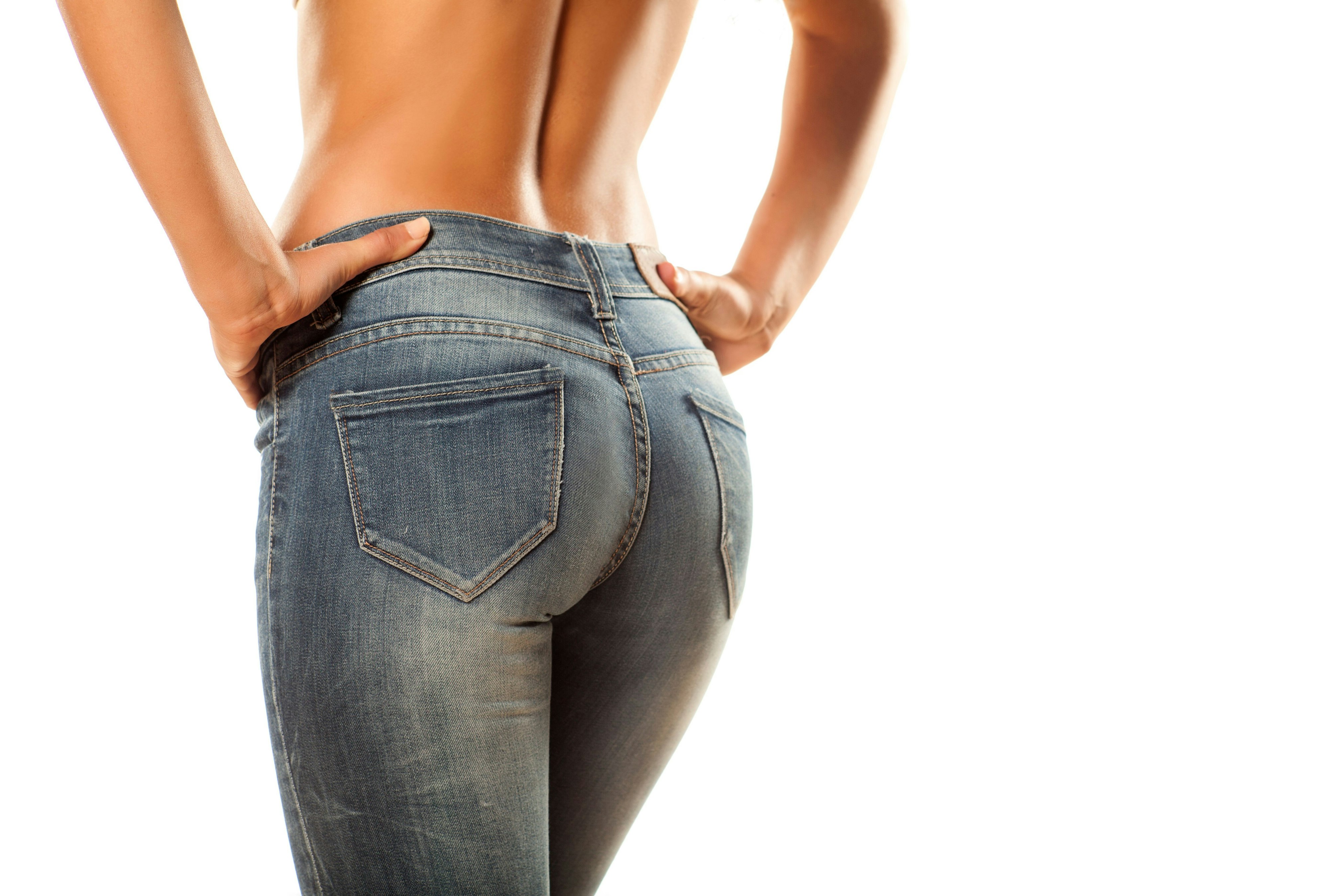
The fat pad above the buttocks, often called the sacral fat pad, is a pocket of fat in the lower back just above the tailbone. This fat cushions the coccyx (the medical name for your tailbone) and gives support when you sit or lie down.
When the area looks fuller than you'd like, you're usually seeing a mix of extra buttock, back, or waist fat. Some people call it lower back side fat, and it tends to gather around the tailbone and upper buttocks.
If this spot bothers you, you're in good company, because frustration with lower torso fat is quite common. Our guide to sacral fat pads and why they form covers the basics too.
It also helps to pinpoint which part of your back you mean. Back fat usually sits in 3 zones: the upper back past the bra straps, the mid-back at the back of the waist, and the lower back as a thick pocket across the top of your pants. To check, stand up straight with one mirror behind you and hold a second mirror in your hand.
What Causes Lower Back Fat Above the Buttocks?
Fat above the buttocks usually builds up when you take in more calories than your body uses. Genetics, hormones, posture, and age then shape where it settles and how it looks.
Genetics and Fat Distribution
Your genes largely decide where your body stores fat, and some people simply tend to store it on the lower back. Many of us are also genetically inclined to keep fat in this area as an energy source. Women tend to hold extra fat around the hips and thighs because of genetics.
Genes set the pattern, but your daily habits generally decide whether you carry extra fat in the first place.
Hormones
Hormones can also cause fat to collect above the tailbone. Cortisol, a stress hormone, has been linked to excess weight, and it's connected to ghrelin, your body's hunger hormone. That's one reason sleep and stress come up again later in this guide.
Posture and Pelvic Tilt
Weak back muscles and everyday posture habits can make this area look softer. The back muscles sit idle for most of the day, and the way we sit, walk, and sleep can weaken them over time, leading to sagging and fat build-up. Even regular gym-goers often under-train the lower back.
It works the other way too: extra fat in this area can cause discomfort, lower back pain, and postural imbalances. Strong back muscles help improve posture, and standing taller can make you look slimmer. If you notice your lower back arching more than usual, ask a doctor or physical therapist to check your pelvic tilt, the angle your hips sit at when you stand.
Weight Gain and Age
Aging and weight gain can both add to back fat, alongside genetics. An inactive lifestyle is also a very common cause of extra back fat. Excess sacral fat is commonly associated with a higher risk of cardiovascular disease (heart and blood vessel problems), diabetes, and metabolic disorders.
Can You Spot-Reduce Fat Above the Buttocks?
No, you can't spot-reduce fat above the buttocks, because exercising one area doesn't control where your body burns fat. Your body stores fat as triglycerides, which have to be broken down into free fatty acids and glycerol before they're used for energy. During exercise, that fuel can come from anywhere in your body, no matter which muscle is working.
Genetics also decide where fat leaves first when you lose weight. Stubborn spots are often the last to shrink, and small, pinchable pockets are entirely normal. For a deeper look, read whether spot-reducing fat is really possible.
Exercises That Help Tone the Lower Back and Glutes
The right exercises can tone and strengthen the muscles around the sacral area while overall fat loss does its work. As muscle builds, the area can take on a firmer, more toned look. Pair these moves with cardio and a calorie deficit, and check with your doctor first if you have back pain or a past injury.
Glute Bridges
The glute bridge works your glutes, hamstrings, and lower back muscles.
- Lie on your back with your knees bent and feet flat on the floor.
- Rest your arms at your sides, palms down.
- Press through your heels and lift your hips, squeezing your glutes.
- Hold for a few seconds, then lower slowly.
Hip Thrusts
A hip thrust is a bigger version of the bridge, done with your upper back resting on a sturdy bench or couch.
- Sit on the floor with your shoulder blades against the edge of the bench.
- Plant your feet flat, about hip-width apart.
- Drive through your heels to lift your hips until your body forms a line from shoulders to knees.
- Lower with control. Once bodyweight feels easy, you can rest a dumbbell across your hips.
Bird Dog
The bird dog targets your core, lower back, and glutes.
- Start on your hands and knees, hands under your shoulders and knees under your hips.
- Tighten your core and reach your right arm forward while you extend your left leg back.
- Keep your hips level and avoid arching your back.
- Hold for a few seconds, return to the start, and switch sides.
Back Extensions
Floor back extensions, sometimes called the Superman or dorsal raises, are among the moves often recommended for the lower back.
- Lie face down with your arms stretched overhead.
- Keep your neck in line with your spine and gaze at the floor.
- Lift your chest, arms, and legs a few inches off the floor.
- Hold briefly, then lower with control.
Romanian Deadlifts
Deadlifts work several muscle groups at once, including the back and thighs, and the straight-legged style puts more focus on the hamstrings. The Romanian deadlift is a version where you keep a slight bend in your knees and hinge at the hips.
- Stand with your feet hip-width apart, holding light weights in front of your thighs.
- Soften your knees and push your hips back, sliding the weights down your legs with a flat back.
- Stop when you feel a stretch in your hamstrings.
- Squeeze your glutes to stand back up.
With heavier lifts like this, engage your core and return to the start slowly to avoid injury.
Bodyweight Squats
Bodyweight squats build lower body muscle tone with no equipment needed.
- Stand with your feet shoulder-width apart.
- Lower your hips as if you're sitting in an imaginary chair.
- Keep your back straight and your core engaged.
- Push through your heels to stand back up.
Building a Weekly Routine
A balanced week pairs 2 to 3 lower body strength sessions with regular cardio and enough rest. If you're new to strength work, at least 2 short, 30-minute resistance sessions a week is a good place to start. Here's a sample week you can adjust to your schedule:
| Day | Focus |
|---|---|
| Monday | Strength: glute bridges, bodyweight squats, bird dog |
| Tuesday | Moderate cardio, such as a brisk 30-minute walk |
| Wednesday | Strength: hip thrusts, Romanian deadlifts, back extensions |
| Thursday | Moderate cardio |
| Friday | Strength or a short HIIT circuit |
| Saturday | Easy walk or bike ride |
| Sunday | Rest |
Listen to your body and scale back if something hurts.
Cardio and Aerobic Exercise
Cardio is the first step for losing fat above the buttocks naturally, because it raises your calorie burn and helps your body lose fat everywhere. Standard guidelines suggest about 75 to 150 minutes of moderate-intensity exercise per week.
Walking is a great, underrated form of cardio. HIIT, short bursts of hard effort with easy recovery periods, is great for burning fat and heart health. Keep most sessions easy to moderate with small doses of hard work, since overdoing it early can lead to burnout and post-workout cravings.
Diet and Nutrition
Diet matters most for fat loss, because the calories you burn exercising will never beat a healthy diet. Weight loss happens when fewer calories go in than your body burns, so try cutting about 300 to 500 calories a day below what you need. That deficit typically leads to about 1 pound of fat loss per week, and going faster can risk your health and muscle mass.
Food quality counts too. Cut back on refined carbs and sugar, like white bread, pasta, candy, and sugary drinks. Build meals around lean proteins and vegetables. If you have a health condition, a doctor or registered dietitian can tailor these numbers to you.
Rest and Recovery
Rest is part of the plan, and recovery is just as important as training. Aim for 7 to 9 hours of quality sleep a night, since poor sleep can disrupt hormones and increase appetite and weight gain. Chronic stress can also add to weight gain and slow fat loss, so habits like meditation, yoga, or hobbies you enjoy are worth building in.
How Long Does It Take to See Results?
Natural results take patience, because lifestyle changes bring minimal results in the short term and need consistency to pay off. Fat comes off across your whole body, and stubborn pockets like this one are usually the last to go. Some only fully disappear at very low body fat levels.
Tracking your measurements, weight, and body fat percentage can help you spot progress and adjust your plan.
When It Might Not Be Fat
Some changes above the buttocks deserve a doctor's look before you start a new plan. If an area feels firm, tender, or lumpy, grows quickly, or looks different from the rest of your body, get it checked.
Past injuries matter too. If you've ever broken your tailbone, tell your surgeon at your consultation, since the area needs to be fully healed before treatment.
If the fullness sits higher up or on your sides, the two-mirror check can help you tell whether you're looking at the lower back, the mid-back, or love handles.
When Exercise Isn't Enough
If you've been consistent with diet and exercise and the pocket above your buttocks won't budge, genetics may be the reason. Even thin people who eat well and train regularly can have trouble areas. If you're struggling with a fat patch above your butt, you're far from alone.
The only way to target one specific pocket of fat is a procedure that physically removes it. Fat removal is generally recommended after you've given exercise a real try.
Nonsurgical options use energy like lasers, freezing, ultrasound, or radiofrequency to disrupt fat from above the skin, and they often need many sessions. These methods shrink fat cells and leave them in place, so the cells can fill back up if your weight changes.
Traditional lower back liposuction uses a cannula, a thin tube, that the surgeon moves back and forth by hand to loosen and suction out fat, often under general anesthesia. Patients can usually return to work after about 7 days and wear a compression garment for about 2 weeks.
How Lower Back AirSculpt® Works
Lower Back AirSculpt removes the fat pad above your tailbone while you're wide awake, using patented, automated technology. It gently plucks fat cell by cell, a bit like picking grapes off a vine. Here's what the process typically looks like:
- Your surgeon numbs the area with a topical numbing solution and local anesthetic, so you stay awake with no general anesthesia.
- A biopsy punch, a small round tool, creates an entry point about 2 millimeters wide, roughly the size of a freckle.
- Your surgeon targets the tailbone fat pad while sparing the surrounding areas, working to keep your lower back's natural contours.
- The entry point heals on its own afterward.
Most patients describe the feeling as similar to an electric toothbrush and report little to no pain.
Many patients treat this area along with the back, waist, or stomach, though it can be done on its own. You can also add a fat transfer, which moves your own fat into the buttocks, in the same session. Treating the lower back alone won't change your waist size.
What recovery looks like. Downtime typically lasts 1 to 2 days. The area typically swells a moderate amount, and swelling and bruising usually start to ease around 2 weeks after treatment. Like any procedure, AirSculpt carries risks, including bruising, swelling, pain, and scarring.
You'll need to avoid exercise and strenuous activity after treatment until your surgeon clears you. Your surgeon may also have you wear compression garments while you heal.
Will the fat come back? The fat cells removed from the treatment area don't grow back, and if you gain weight later, it tends to show up in untreated areas. Healthy habits help you keep your results, so consult your surgeon about what to expect for your body.
Before and After Results
Results are often visible right after treatment and become more noticeable as swelling and bruising fade over the following days and weeks. By about 3 months, many patients see a noticeably narrower lower back.
In one of our patient cases, sculpting her full abdomen and the fat pad above her tailbone gave her a narrower waist and a drawn-in tummy that highlights her natural curves. Sculpting the tailbone area can also create a more sloped profile that helps the buttocks look curvier.
Every body responds differently, so your surgeon can set realistic expectations during your consultation. To see how treatments work, browse our procedure videos.
Lower Back Fat FAQs
What causes the fat pad above the buttocks?
The fat pad above the buttocks usually forms when you take in more calories than your body uses, and your genes help decide whether that fat settles on your lower back. Hormones can also cause fat to collect in this area. Aging and weight gain can add to it too. If you're unsure why the area looks the way it does, a doctor can help you figure it out.
Can you spot-reduce lower back fat?
No, you can't spot-reduce lower back fat, because exercising one area doesn't control where your body burns fat. Fat comes off across your whole body when you're in a calorie deficit. Lower back and glute exercises can still tone and strengthen the muscles underneath. The only way to target one specific pocket of fat is a procedure that physically removes it.
What exercises help tone the lower back and glutes?
Glute bridges and bird dogs work the glutes and lower back, and floor back extensions like the Superman are also often recommended. Bodyweight squats and deadlifts help build lower body muscle tone. Hip thrusts, a bench-supported version of the bridge, round out a well-balanced routine. Aim for 2 to 3 lower body sessions a week alongside regular cardio.
When should you consider a procedure for lower back fat?
You might consider a procedure when you've kept up healthy eating and regular exercise and a pocket of fat above your buttocks still won't budge. Genetics can make complete results hard to reach naturally, even with a disciplined routine. Lower Back AirSculpt removes fat without general anesthesia, and downtime typically lasts 1 to 2 days. Your surgeon can confirm whether you're a good candidate during a consultation.
Ready to Talk to a Specialist?
If a stubborn pocket above your buttocks is still hanging on after all your hard work, a free consultation is an easy next step. Your surgeon will look at the area, talk through your goals, and let you know whether Lower Back AirSculpt fits your plan.
In the meantime, keep up those bridges and walks, since they support your health whatever you decide.
Book a Free Consultation or Get My Custom Lower Back Contouring Plan to get your questions answered.