

Lifestyle/Nutrition
Why Stubborn Fat Won't Go Away No Matter What You Do


You've lost weight. Your clothes fit better. Friends notice the difference.
But when you look in the mirror, those same problem areas are still there. The belly pooch. The love handles. The thigh fat that's been with you since high school.
You're not doing anything wrong. Some fat is genuinely harder to lose, and there's real science behind why.
The Truth About Where Fat Lives in Your Body
Not all body fat works the same way. There are two main types of fat in your body, and they behave very differently.
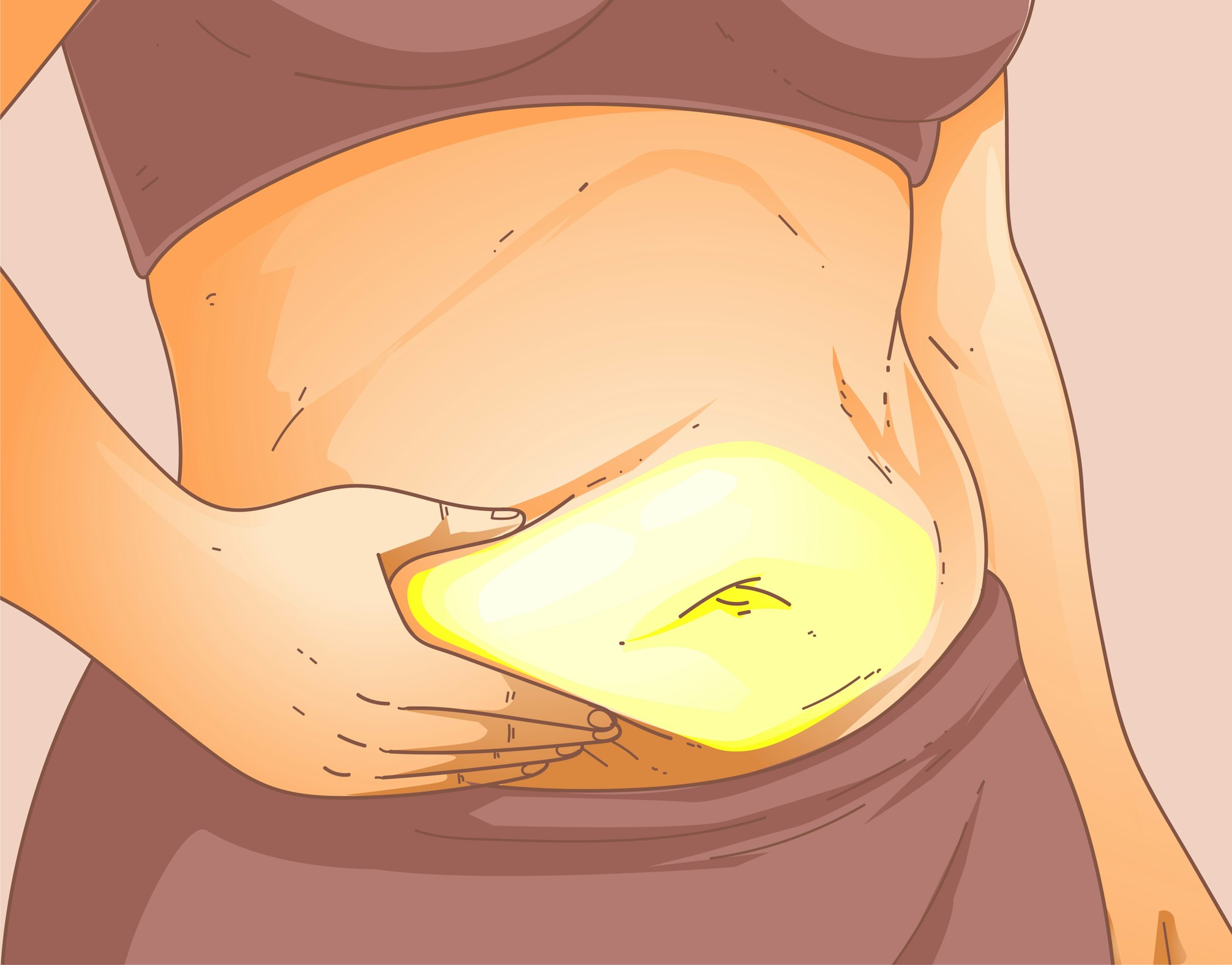
The fat you can pinch sits right under your skin. This is called subcutaneous fat, and it's what you grab when you pinch your belly, thighs, or arms. This soft, pinchable fat is much more stubborn and harder to lose than the fat stored deeper in your body.
The fat you can't see is called visceral fat. It wraps around your internal organs deep inside your abdomen. While this type of fat is more dangerous for your health, it's actually easier to lose with diet and exercise.
Here's the frustrating part: when you start losing weight, visceral fat typically goes away first. The pinchable fat you actually want to get rid of? That's the last to leave.
Why Your Body Holds Onto Certain Fat
Your body isn't trying to frustrate you. It's actually trying to protect you, just in ways that might not match your goals.
Your Body Decides Where Fat Goes
Genetics determine where your body stores fat, and this pattern is set by your mid-twenties. Some people store more fat in their stomach. Others carry it in their hips and thighs. Your parents passed this pattern down to you, and no amount of exercise can change your body's blueprint.
Women naturally store more fat in their hips and thighs due to estrogen, especially during childbearing years. This is your body's way of preparing for potential pregnancy, which also makes these areas incredibly resistant to diet and exercise.
Men typically store more fat around their midsection. This "spare tire" can stick around even when you're otherwise fit and lean.
The Fat Cell Problem
Here's something most people don't know: by your early twenties, you have all the fat cells you'll ever have. That number stays basically the same for the rest of your life.
When you gain weight, those cells get bigger. When you lose weight, they shrink. But they never disappear.
If you were born with more fat cells in certain areas, like your stomach or thighs, those spots will always look fuller, even after significant weight loss. The cells shrink, but there are still more of them clustered there.
Why Some Areas Just Won't Respond
Think about the areas where you've struggled to lose fat. They're probably the same spots where fat showed up first when you gained weight.
Fat Cells Have Different "Personalities"
Your fat cells have tiny switches on their surface that control whether they release stored fat or hold onto it. Some switches tell the cell to "burn this now." Other switches say "save this for later."
The problem areas on your body have more "save for later" switches, making them naturally resistant to breaking down fat. Meanwhile, other areas likely have more "burn this now" switches, which is why they slim down faster.
When you exercise or cut calories, your body decides which fat to burn based on these switches. Unfortunately, it doesn't ask for your input on where you'd prefer to lose it.
Stress Keeps Fat Stuck
Chronic stress releases cortisol, which can prevent fat loss and even trigger fat storage, especially around your belly. This is why you might eat perfectly and exercise regularly but still struggle with that midsection.
When you're stressed for long periods, your body thinks resources are scarce. It holds onto fat as emergency fuel, particularly in your abdomen where it's close to vital organs.
Your Metabolism Works Against You
Subcutaneous fat is less metabolically active than the fat around your organs, which means it's slower to respond to diet and exercise. It's almost like the difference between burning logs and burning kindling. Visceral fat is the kindling (quick to ignite). Subcutaneous fat is the logs (they take much longer to burn).
What Your Body Actually Does When You Lose Weight
When you successfully lose weight through diet and exercise, here's what happens:
Your fat cells shrink. They don't disappear, they just get smaller. This is why someone who's lost 50 pounds can still have the same body shape, just in a smaller version.
If you want to lose that pinchable subcutaneous fat, you need to keep doing fat-loss activities consistently over a long period. The first pounds come off relatively quickly. But getting rid of those last stubborn pockets takes much longer.
The real problem? If you've been exercising and eating well for months and still have these problem areas, more time might not be the answer. Some fat just won't go away on its own.
Why Most Fat Removal Treatments Fall Short
When diet and exercise fail, many people turn to non-surgical treatments. Some treatments use controlled cooling, while others use lasers or radiofrequency to target fat cells.
But here's what these treatments actually do: they damage fat cells, causing them to release their stored fat. The cells empty out, but they stay in your body.
Think of it like deflating a balloon instead of throwing it away. The balloon is still there. And if conditions are right, it can fill back up.
This is why non-surgical treatments often require multiple sessions and show gradual results over months. The fat cells are still there. They're just emptier.
How AirSculpt® Is Different
AirSculpt® takes a completely different approach to stubborn fat.
Instead of emptying fat cells, AirSculpt® removes them from your body entirely.
AirSculpt® permanently removes subcutaneous fat from any area between the chin and ankles using a patented mechanical device that plucks individual fat cells. When those cells are gone, they're gone forever. They can't refill. They can't come back.
Why This Matters
Remember how your body has a set number of fat cells by your twenties? When AirSculpt® removes those cells, your body can't make new ones to replace them.
This means:
-
The results are permanent: Those specific fat cells are gone for good
-
The area stays slimmer: Even if you gain weight, you'll have fewer fat cells in treated areas
-
Your body shape improves: You can finally achieve the contours that exercise couldn't give you
How It Works
AirSculpt® uses a tiny entry point about the size of a freckle. Through this opening, the device precisely removes fat cells one by one. There are no stitches needed. No large scars. Just smooth, natural-looking results in areas that resisted all your other efforts.
The procedure targets only the problematic subcutaneous fat, or the pinchable kind that won't go away. Visceral fat cannot be removed with any procedure and must be addressed through lifestyle changes.
When Loose Skin Is the Problem
Sometimes the issue isn't just fat, it's loose skin that won't tighten up, no matter how many planks you do.
After pregnancy, significant weight loss, or simply with age, skin loses its ability to snap back. Exercise can tone muscle, but it can't tighten loose skin. That's because skin isn't a muscle; it's tissue that needs a different solution.
AirTite® Solves the Skin Problem
AirSculpt® offers AirTite®, an advanced skin-tightening treatment using Renuvion® technology. This can be performed during your AirSculpt® procedure to address both stubborn fat and loose skin at the same time.
Renuvion® delivers controlled energy beneath the skin, causing it to contract and tighten. This creates smoother, firmer contours that complement your newly sculpted body.
AirTite® works on:
-
Loose belly skin after weight loss or pregnancy
-
Sagging upper arms ("bat wings")
-
Inner thigh laxity
-
Loose skin on the back
-
Any area where skin has lost elasticity
By combining fat removal with skin tightening, you get a complete transformation in areas that have bothered you for years.
The Bottom Line on Stubborn Fat
Your stubborn fat isn't your fault. It's not a willpower problem or a workout problem.
Subcutaneous fat is genuinely more difficult to lose than other types of fat in your body. Your genetics programmed where your body stores fat and which areas resist weight loss. Diet and exercise can help, but they have limits.
Traditional non-surgical treatments might help, but they only empty fat cells temporarily rather than removing them permanently.
AirSculpt® offers what diet, exercise, and other treatments can't: permanent removal of the fat cells that create your problem areas.
When you're tired of fighting your genetics and ready to see results that actually last, AirSculpt® can help you finally win the battle against stubborn fat.