Lifestyle/Nutrition
Flat Butt Causes, Exercises & BBL Options | AirSculpt


A flat butt usually comes from a mix of genetics, long hours of sitting, diet, aging, and pregnancy. Strength training, cardio, and good nutrition can build your glute muscles and improve their shape over time. If you've put in the work and still want more volume, a BBL that uses your own fat is the next option many people explore.
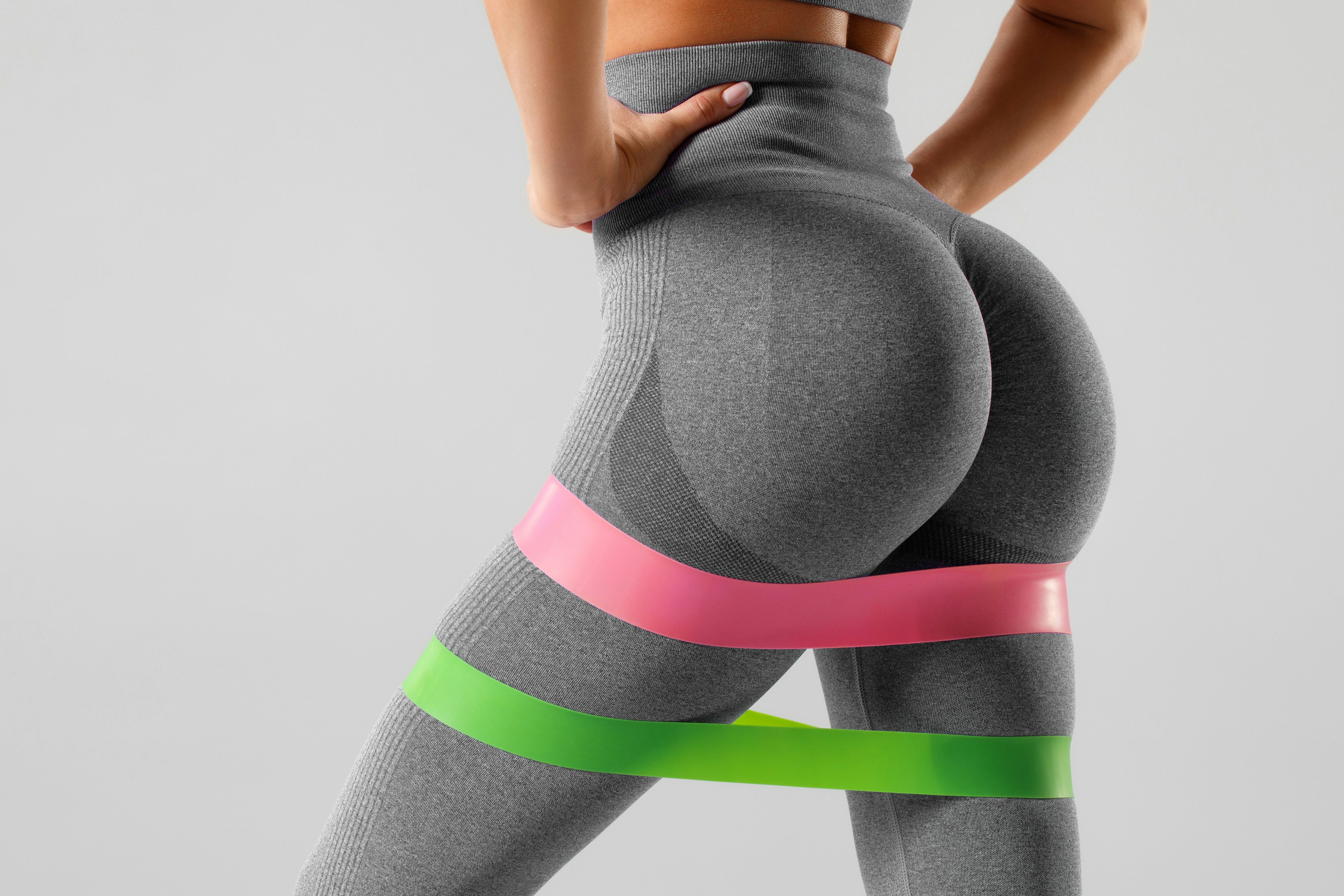
If your backside has always been on the flatter side, you're in good company. Flat bums are entirely normal, and plenty of people simply want more shape. Below, we'll walk through what's behind a pancake butt, what you can do on your own, and where an AirSculpt® BBL fits in.
What Causes a Flat Butt?
A flat butt can have several possible causes, including some you can influence and some, like genetics, you can't. Here are the most common ones:
- Genetics: Some people are naturally predisposed to a flatter butt because of their genes.
- Sitting a lot: Sitting for long stretches can weaken your gluteal muscles, the muscles that shape your backside.
- Diet: A diet low in key nutrients, especially protein, can hold back muscle growth.
- Age: Muscles lose strength and mass as you get older, which can leave the butt flatter.
- Pregnancy: Hormonal changes and breastfeeding can contribute to a flatter butt after giving birth.
Your glutes are made up of three muscles: the gluteus maximus, the gluteus medius, and the gluteus minimus. The gluteus maximus is the largest and does the most to make your butt "pop," while the medius and minimus sit higher up on the sides.
What Is Flat Butt Syndrome?
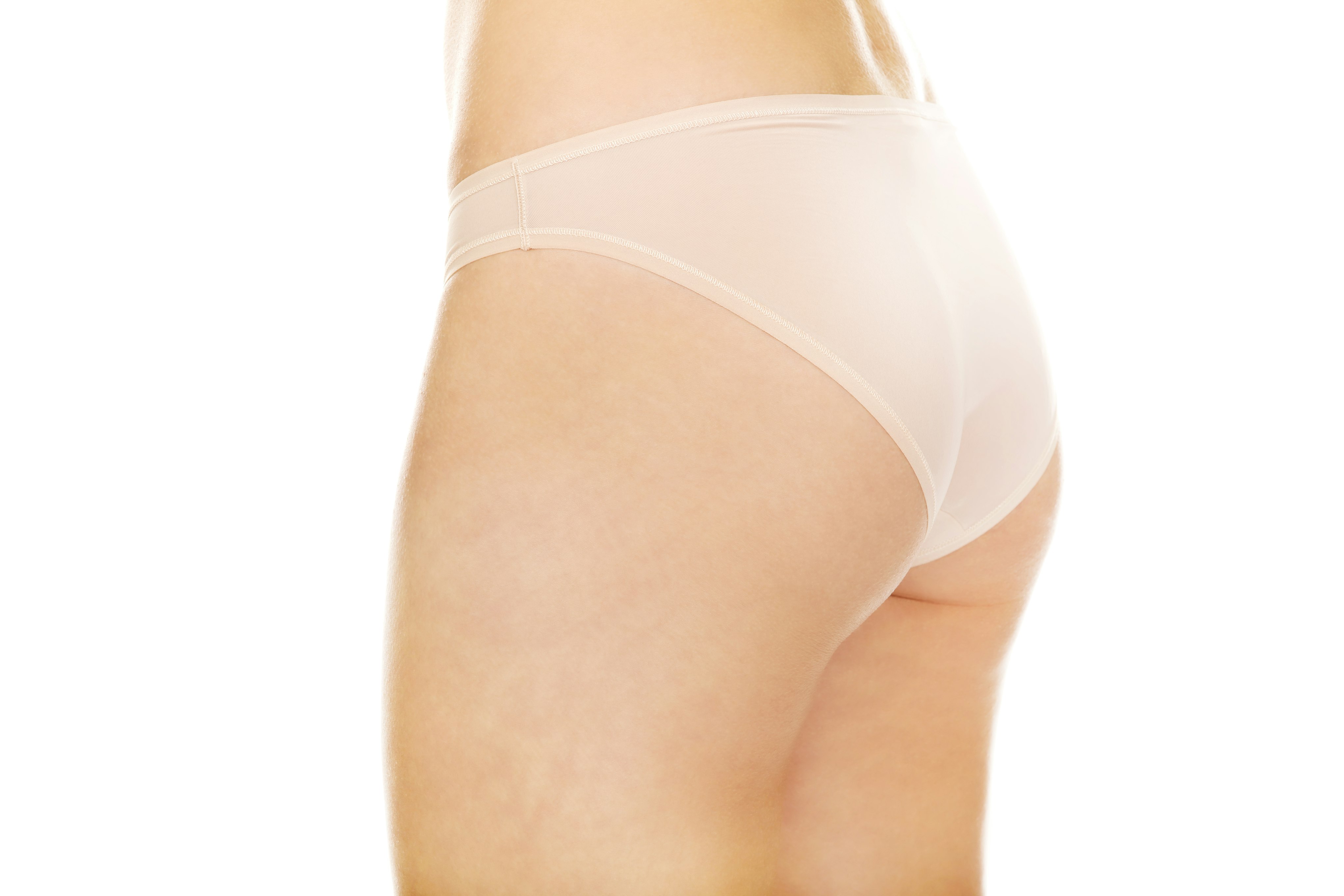
"Flat butt syndrome" is an informal name some people use for glutes that may feel weak or underused. You may also hear it called gluteal amnesia or dead butt syndrome. These are everyday nicknames people use to describe the same idea.
What's clear is that sitting for prolonged periods can weaken the gluteal muscles and lead to a flatter butt. Hunching over while nursing or sitting for long periods can also lead to poor posture that affects the buttocks.
If your hips or lower back feel sore or stiff, or you're unsure where to start, contact your doctor before starting any exercise program.
Can Exercise Alone Fix a Flat Butt?
Exercise can make a real difference, though how far it takes you may depend on your anatomy. Consistent training can build muscle mass and definition in your glutes, even if your flat butt is genetic. Building bigger glutes takes time, so you won't see results right away.
There are limits worth knowing. You can't spot-reduce fat, because your body loses fat all over during a calorie deficit and genetics decide which areas slim down first. Exercise also can't change your bone structure, which shapes features like hip dips.
That's why pairing a steady routine with patience may help. Some people later explore a procedure to add volume once training has done what it can.
How to Add Volume to the Butt On Your Own
The do-it-yourself plan has five parts: compound lifts, cardio, nutrition, glute-focused moves, and consistency. Check with your doctor before starting a new exercise program, especially after pregnancy.
Lower Body Compound Exercises
Strength training is the most effective way to build muscle mass and definition in your glutes. Compound exercises work several muscles at once. Try these:
- Squats: Stand with feet shoulder-width apart, then bend your knees and lower your hips as if sitting in a chair. Aim for three sets of 10 to 12 reps.
- Lunges: Step forward and bend your front knee until your thigh is parallel to the floor, then switch legs. Do three sets of 12 reps per leg.
- Deadlifts: Hold dumbbells or a barbell, hinge forward at the hips with a straight back, lower the weight, then lift back up. Do three sets of 8 to 10 reps.
- Hip thrusts: With your upper back against a bench or couch, drive through your heels to lift your hips and squeeze at the top. Do three sets of 8 to 12 reps.
Romanian deadlifts are a variation that focuses more on the hamstrings and glutes. Let your goals guide your weight and reps: heavier weight with fewer reps builds strength, while lighter weight with more reps suits slimming down while adding shape.
Cardiovascular Exercise
Cardio helps burn excess body fat, which can reveal the glute muscles underneath. Good options include:
- Running, starting with short distances and building up over time.
- Cycling, a low-impact workout that targets your glutes, hamstrings, and quadriceps.
- Stair climbing, which works your glutes, calves, and thighs.
Diet and Nutrition
Your muscles may need the right fuel to grow, and a balanced diet with protein, healthy fats, and complex carbohydrates helps you build and keep muscle mass.
- Lean protein: chicken, fish, turkey, eggs, and legumes.
- Healthy fats: avocados, nuts, seeds, and olive oil.
- Complex carbs: brown rice, quinoa, sweet potatoes, and whole-wheat bread, which give you energy for workouts.
When your goal is building muscle, eating a solid amount of carbs before lifting may help more than training on an empty stomach.
Butt-Specific Exercises
Glute-focused moves target your gluteal muscles directly and help lift and firm your butt.
- Glute bridges: Lie on your back with knees bent, lift your hips toward the ceiling, and squeeze. Do three sets of 12 reps.
- Donkey kicks: On hands and knees, lift one bent leg behind you until your thigh is parallel to the floor. Do three sets of 15 reps per leg.
- Fire hydrants: On hands and knees, lift one bent leg out to the side. Do three sets of 10 reps per leg.
If you're new to training, start with one set and add weight or sets as the moves get easier.
Consistency and Patience
Building a firmer, rounder butt takes time and steady effort. Rest is part of the plan too, so aim for seven to nine hours of sleep a night. It may help to think of progress in months rather than weeks.
Does Aging or Postpartum Change Cause a Flatter Butt?
Yes, both aging and pregnancy can play a role. As you age, muscles lose strength and mass, which can leave your butt flatter. Aging, pregnancy, weight swings, and genetics can also reduce tissue elasticity and lead to sagging in the buttock area.
After pregnancy, several changes can overlap. Lower estrogen levels can affect the shape and firmness of the buttocks, and relaxin, a hormone that loosens ligaments during pregnancy, can change your posture. Breastfeeding also draws on fat stored in the buttocks, which can make them flatter.
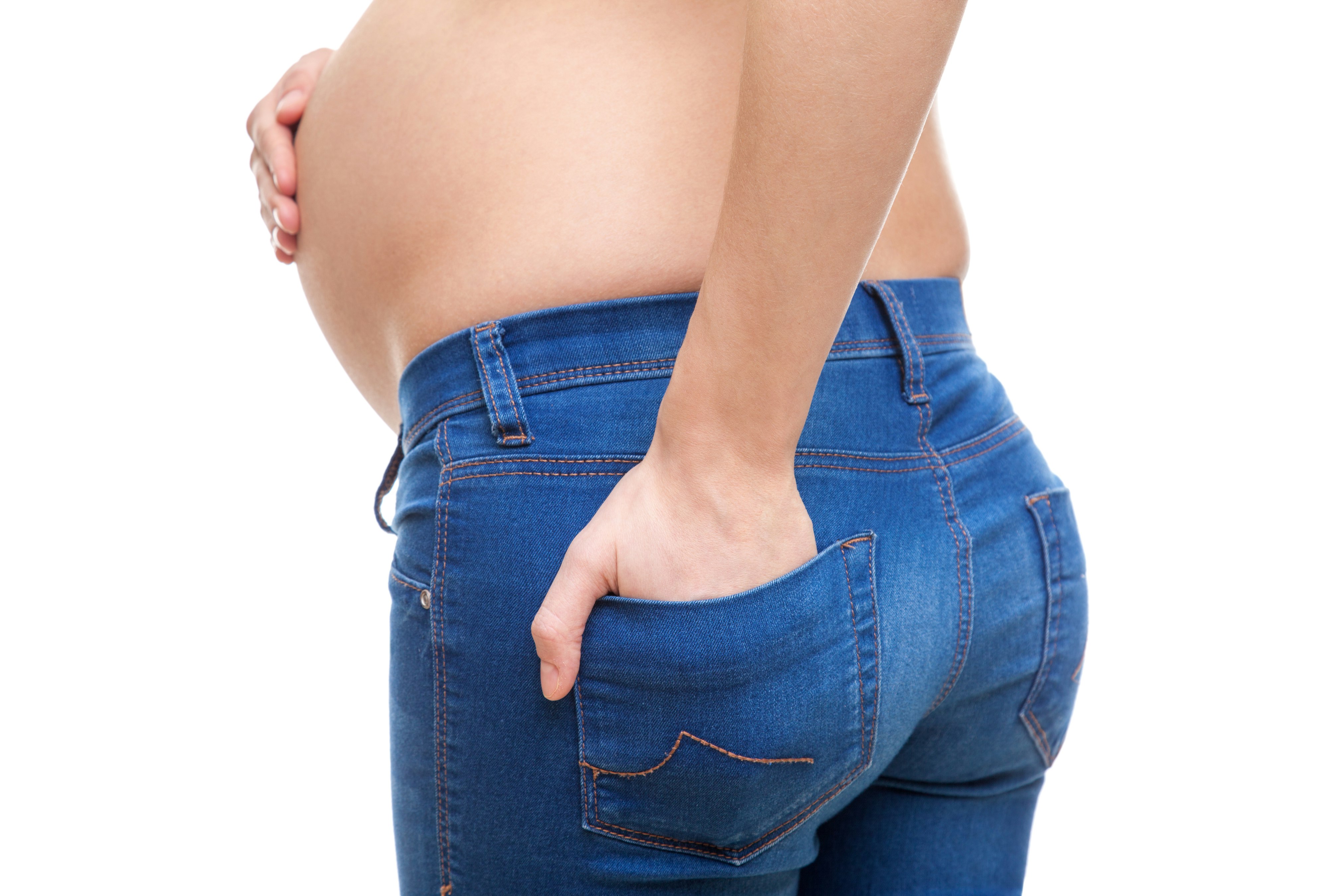
Less activity in the early months and some loss of glute muscle tone can add to the change. These shifts are a natural, often temporary part of the postpartum process. Gentle moves like pelvic tilts, glute bridges, and squats can help once your doctor clears you to exercise.
Can a BBL or Fat Transfer Fix a Flat Butt?
A BBL is designed for this concern, since it adds volume by moving your own fat into the buttocks. It's often considered when someone feels their butt is too flat or square and wants more curves. Because it uses your fat, a donor area such as the stomach gets slimmer at the same time.
In a traditional BBL, the surgeon removes fat with liposuction, processes it, and adds it to the buttocks through small injections, usually under intravenous sedation or general anesthesia. Some transferred fat is naturally absorbed, and patients keep an average of 60% to 80% of it. If you're very slender and want a big increase in volume, you may need implants instead.
Butt implants are the other main route, in which a surgeon places a silicone implant into, above, or under the glute muscle.
Fat transfers to the buttocks carry risks such as inflammation, fat reabsorption, irregularities, and hardness. Pain, swelling, and bruising may also be part of BBL recovery. You should always choose a board-certified surgeon who specializes in BBL, and ask to see before-and-after photos before you make your decision.
An AirSculpt BBL Does What Genetics Cannot
The AirSculpt® Power BBL™ moves your own fat to your buttocks with no scalpel, no stitches, and no general anesthesia. You stay fully awake the entire time, using patented AirSculpt technology. Here's how it works:
- Numbing: The surgeon numbs your skin with the AirPen™, which uses pressurized air to deliver a topical anesthetic instead of a needle.
- Entry points: A biopsy punch, a small round tool, creates two-millimeter openings that heal without stitches.
- Fat removal: A proprietary micro-cannula, a thin tube, vibrates rapidly to selectively free and lift away micro-clusters of fat with millimeter precision.
- Fat transfer: Your own fat is then expertly placed by your surgeon. Giving you added volume just where you want.
The fat removed from donor areas is gone for good. Your results hold best when you keep a steady weight.
Automated technology lets surgeons graft fat in precise quantities, which helps them give a symmetrical result. Many patients describe the sensation of the cannula as vibration, like a deep-tissue massage or an electric toothbrush. Buttock entry points tend to resemble tiny freckles, if marks form at all.
Recovery. Downtime typically lasts 24 to 48 hours. After a fat transfer, you'll wear a complimentary compression garment and foam padding at all times for three weeks, apart from showering. BBL patients get a cushion for sitting to keep pressure off the buttocks.
Daily walks of at least 30 minutes are encouraged, while strenuous exercise should wait two weeks. Any soreness usually feels like a post-workout ache and can be handled with over-the-counter pain medication.
Results. Changes become much more noticeable around two weeks as swelling eases, with final results expected between three and six months. Several factors can affect fat retention like age, genetics, medications, underlying health status. Because of this the amount of transferred fat retained can range from 50-80% depending on the patient.
Who's a good fit? You'll need enough harvestable fat for the transfer, and you must be over 18. If you're slim and mainly bothered by hip dips, the AirSculpt® Hip Flip™ uses a smaller amount of fat to round out that area. Every AirSculpt consultation is free, whether in person or virtual, and it's where you and a surgeon determine which treatments best suit your body goals.
Want to see how it looks in real life? Browse our individual procedure videos.
Flat Butt FAQs
What causes a flat butt, and how can you fix it?
A flat butt usually comes from genetics, long periods of sitting, a low-protein diet, aging, or pregnancy. Strength training, cardio, butt-specific exercises, and a balanced diet can build and shape the glutes over time. If you're still unhappy after a consistent routine, a BBL uses your own fat to add volume. A free consultation can help you determine which treatments best suit your body goals.
Can exercise alone reverse a pancake butt?
Exercise can build glute muscle and definition, even when a flat butt runs in your family. It can't change your bone structure or decide where your body stores fat, so some shape concerns won't fully respond. Results take steady effort over time. If you've stuck with a routine and are still unsatisfied, a BBL offers a way to enhance the buttocks using your own fat. You can start with a free consultation with a fat transfer specialist.
What causes hip dips and can they be reduced?
Hip dips are natural indentations just below the waist, near where the outer thighs meet the hips. They form mainly because of the shape of your pelvis and thigh bone, along with how muscle and fat sit between them. Hip and glute exercises may soften their look but are unlikely to remove them completely. A fat transfer like the Hip Flip™ can fill them using your own fat. Because the Hip Flip™ needs only a modest amount of fat, it may suit slimmer patients who don't have enough fat for a full BBL.
What does a mommy makeover typically involve for post-pregnancy body changes?
A mommy makeover combines procedures to treat areas changed by pregnancy, often the breasts, abdomen, pubic area, and buttocks. Traditional versions may include breast augmentation, a breast lift, a tummy tuck, and liposuction. The AirSculpt® Mommy Makeover combines fat removal and fat transfer, so fat can be moved to the breasts or buttocks, and skin tightening options are available. A custom AirSculpt mommy makeover can include any AirSculpt body contouring procedure, so the plan may be tailored to your goals.
How long is downtime after an AirSculpt BBL?
Downtime after an AirSculpt BBL typically lasts 24 to 48 hours. Most workouts can resume at two weeks, and the compression garment can come off at three weeks. Fat transfer patients should avoid putting pressure on the enhanced area, and BBL patients get a cushion for sitting. Your care team will create a specific recovery plan just for you and you should follow their recommendations.
Ready to Talk to a Specialist?
Whether you'd call it a flat butt, a small butt, or flat butt syndrome, you have more than one path forward. Consistent training can build your glutes, and if you're still unsatisfied after sticking with it, a BBL can add volume using your own fat.
Want to come back to the workout plan later? Save this pancake butt guide so every move is in one place.
If you're curious about a fat transfer, a free consultation helps determine which treatments best suit your body goals, and fat transfer candidates need enough harvestable fat to complete the transfer. You can do your consultation in person or from home. Book a Free Consultation to get your custom contouring plan.